Guide to Summer Foraging: 8 Wild Fruits and Berries to Harvest Along Trails and Forests
Explore wild fruits and berries you can forage this summer, from blackberries to wild grapes. Learn where to find them and how to enjoy your harvest.

Summer is a sweet and bountiful time to wander. Trails are lined with edible wild berries, and sunlit thickets hide tasty treasures waiting to be found.
I spent my childhood summers wandering the forest, tracing the paths of winding brooks just to see what lay beyond the next bend. My small backpack was always packed with the essentials: food, water, a change of clothes, bug spray, a trail map, and a few pocket-sized books on edible plants. More often than not, a fishing line was tucked into the front pocket just in case I came across a promising pool of cold mountain water.
I learned that the best summer hikes always ended with purple-stained fingers and a full container of wild berries. While my favorite trails often followed cold brooks teeming with trout, I was just as excited by the berry patches hidden along the way. Wild blackberries, raspberries, and blueberries were the real treasures of summer, and I always carried a few empty Tupperware containers just in case I stumbled upon a sweet surprise.
The forest and field burst with edible fruit by midsummer, from brambly trailside berries to crabapple trees growing in forgotten homesteads. If you know where to look and can get there before the wildlife, you can harvest enough for snacking, preserving, or simply reliving the sweetness of the season.
In this guide, I’ll share some of the most common and easy-to-identify wild fruits to forage during summer, tips on where to find them, and ways to enjoy your harvest.
Lace up your hiking boots, and don’t forget your berry containers. The fruiting season doesn’t last long, but the rewards are delicious.
Foraging Tips for Wild Summer Fruits
Before you set off in search of berries and fruit, remember to forage responsibly. Be confident in your plant identification, avoid areas that may be sprayed or polluted, and only take what you’ll use, leaving plenty for wildlife and future harvests.
A good field guide (or two) is essential, and it’s always smart to cross-reference multiple sources before consuming any wild plant. If you’re just starting out, check out our Beginner’s Guide to Safe Foraging for Food for plant ID basics, location tips, and ethical harvesting guidelines.
- Go Early: Mornings are often the best time to pick wild fruit. Berries are plump with dew, and cooler temperatures make hiking and gathering more enjoyable.
- Pick Carefully: Many wild fruits bruise easily. Bring shallow containers to prevent crushing, and pick only fully ripe fruit for the best flavor.
- Watch Out for Bugs and Ticks: Berry patches often grow in brushy or weedy areas. Dress accordingly and do a full tick check afterward.
- Stay Hydrated and Sun-Safe: Wear sun protection and bring plenty of water. Berry foraging can turn into an all-day adventure before you know it.
- Leave Some Behind: Be mindful not to overharvest. Birds, bears, and other creatures rely on wild fruits for survival.
Summer foraging is one of the sweetest ways to enjoy the season, especially when the fruits of your labor end up in a pie, a jar, or a breakfast bowl.
Wild Fruits and Berries to Forage in Summer
Summer in New England is the peak season for wild fruits and berries. In this section, we’ll highlight common, beginner-friendly wild berries and fruiting plants you might encounter on hikes, near waterways, or tucked along the edges of old fields. These flavorful fruits are not only easy to recognize, but also perfect for snacking, baking, and preserving the taste of summer.

Wild Blackberries
Wild blackberries (Rubus spp.) begin to ripen in mid to late summer, and if you’ve ever followed a sunny trail’s edge or wandered through a forest clearing, chances are you’ve spotted their thorny canes or tasted their juicy fruit. They’re easy to recognize by their white flowers, arching brambles, and clusters of dark, plump berries.
Some of my favorite memories are hiking along brook trails and spotting blackberry canes heavy with fruit. I always carried a small container in my pack, but the berries often didn’t make it past the waterfall. They were just too tempting to resist.
Where to find it: Forest clearings, fence lines, along trails, old fields
Edible parts: Berries, young leaves
How to use it:
- Eat the berries fresh or bake them into pies, crisps, or cobblers
- Make blackberry jam, syrup, or wine
- Dry young leaves for a mild herbal tea
Wild Raspberries
Wild raspberries (Rubus pubescens) are smaller than the cultivated varieties but full of concentrated flavor. Red and black types grow on arching canes with fine prickles and are often found along woodland edges and sunny trails.
I often came across wild raspberries while hiking to some of my favorite mountain lookouts or while fishing along wooded brooks. Their sweet-tart flavor was always a welcome treat along the trail.
Where to find it: Forest edges, trailsides, open woods
Edible parts: Berries and young leaves
How to use it:
- Eat fresh by the handful or freeze for later use in smoothies
- Make raspberry jam, jelly, or a tangy sauce
- Dry leaves to brew a soothing raspberry leaf tea
Chokecherries
Chokecherries (Prunus virginiana) are tart, dark red to deep purple fruits that grow in long hanging clusters. While too astringent to eat raw in quantity, they shine when cooked into syrups, jellies, and even wine.
Growing up, we had a thicket of chokecherry trees on the edge of our property. We didn’t harvest them, though. Instead, we used them as ammunition in backyard battles, flinging the juicy berries at each other and staining our clothes with red splotches. Now that I know they are edible, I turn the ruby red berries into jelly each year.
Where to find it: Forest edges, stream banks, disturbed ground
Edible parts: Ripe berries (remove the pits, they contain cyanogenic compounds. Do not crush or consume raw seeds)
How to use it:
- Make chokecherry syrup, jelly, or homemade wine
- Cook with sweetener to mellow the bitterness
- Dry into tart, chewy fruit leather
Mulberries
Mulberry trees (Morus rubra) are prolific fruiters by mid to late summer, often leaving behind purple-stained sidewalks and lawns as evidence of their bounty.
One of my favorite summer discoveries was stumbling upon a mulberry tree heavy with fruit while hiking to my favorite waterfall. I noticed the fallen fruit first along the edge of the trail, then looked up to find the sweet and juicy berries. I picked a handful, enjoyed a snack, and rinsed my fingers in the stream before heading back down the trail.
Where to find it: Yards, forest edges, fence lines
Edible parts: Berries
How to use it:
- Eat fresh by the handful
- Bake into pies or muffins
- Make jam, syrup, or homemade wine
- Freeze for smoothies or desserts

Wild Blueberries
Wild blueberries (Vaccinium angustifolium) are smaller than cultivated varieties, but their intense flavor more than makes up for their size. They ripen in late summer and thrive in acidic, well-drained soils.
Growing up, wild blueberry season was a cherished family ritual. Every summer, we returned to our favorite picking spots along the railroad tracks carved into granite hillsides. We’d spend hours filling buckets, eating as many as we picked, knowing some would be frozen for the months ahead.
Where to find it: Forest openings, barrens, rocky slopes
Edible parts: Berries
How to use it:
- Enjoy fresh or frozen
- Use in muffins, pancakes, or jam
- Dehydrate for trail snacks
Crabapples
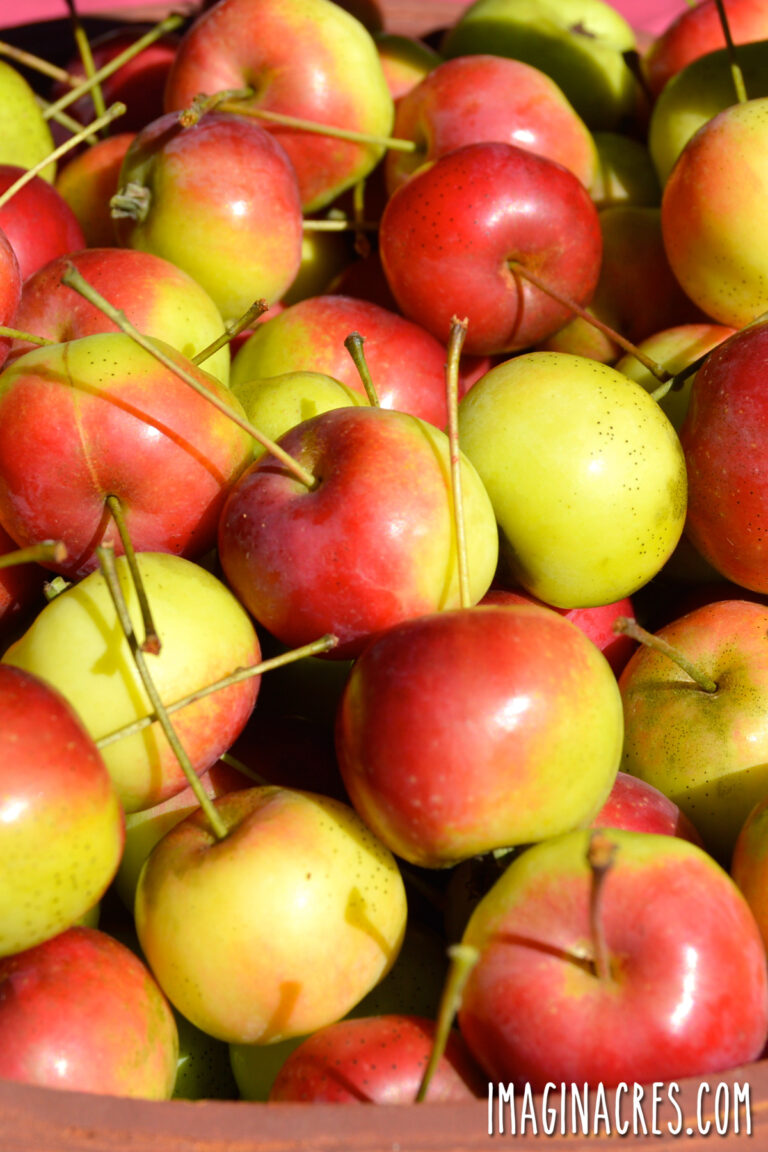
Crabapples (Malus spp.) are wild or ornamental apple trees that produce small, tart fruits, sometimes no bigger than a large cherry. They ripen in late summer and are packed with pectin, making them perfect for jellies.
Early settlers often planted apple orchards as one of their first tasks, sometimes even before building their homes. Crabapple trees were included to improve pollination, and because they’re so hardy, many still thrive today with no care. It’s not uncommon to stumble across one in the middle of the woods, either the remnants of an old orchard or a tree seeded long ago by wildlife.
Where to find it: Suburban yards, old orchards, roadsides
Edible parts: Fruit (remove seeds)
How to use it:
- Cook into jelly, sauce, or chutney
- Roast with meats
- Combine with sweeter apples for a balanced jam
Wild Strawberries
Wild strawberries (Fragaria virginiana) are tiny but incredibly sweet, often ripening in early to mid-summer. These plants sprawl low to the ground with three-part leaves and small white flowers.
Finding wild strawberries always feels like a treasure hunt. Once I spot the small red ripe fruit, I am soon on my hands and knees, plucking the tiny red jewels and popping them in my mouth, warm from the sun. They’re small, but oh, the flavor!
Where to find it: Meadows, woodland clearings, sunny slopes
Edible parts: Berries, young leaves
How to use it:
- Eat fresh by the handful
- Garnish desserts or salads
- Make into jam or syrup
- Use dried leaves for a mild tea
Wild Grapes
Wild grapes (Vitis spp.) grow in climbing vines with deeply lobed leaves and tight clusters of dark purple fruit that ripen in late summer to fall. The flavor is bold, tart, and musky.
I often found wild grapevines while hiking along my favorite fishing brooks. The scent alone would stop me in my tracks, sweet and musky on the late summer air. Looking up, I’d spot the familiar vines twisting through the trees. If I timed it just right and beat the wildlife to the ripe clusters, I could gather enough to make a tangy, deep-purple jelly that brought me right back to that summer day every time I opened a jar.
Where to find it: Forest edges, fence lines, riverbanks
Edible parts: Ripe grapes and young leaves
How to use it:
- Make juice, jelly, or wild grape leather
- Use leaves for stuffed grape leaves
- Ferment into wine or vinegar
Forage with Care
Wild berries are one of nature’s sweetest gifts, but they come with responsibilities:
- Be sure of what you pick: Use a field guide and positively ID every plant before tasting.
- Leave some for the wildlife: Birds, bears, and other foragers rely on these food sources too.
- Avoid polluted spots: Steer clear of roadsides, railroad tracks, and industrial areas.
- Stay respectful: Don’t harvest on private land without permission.
A Taste of the Season
From sun-warmed raspberries to the tangy surprise of chokecherries, summer’s wild fruits are little treasures scattered across the landscape. Each berry picked is a memory in the making, of quiet hikes, sunny afternoons, and sweet juice on your fingers.
Whether you eat them fresh, freeze them for later, or preserve them in jams and syrups, these wild flavors capture a moment in time. Foraging connects you to the season in the most delicious way, one berry at a time.
Ready to deepen your foraging skills? The Online Foraging Course from the Herbal Academy is a fantastic next step. With expert-led lessons, beautiful plant photography, and thorough identification tips, it’s a must-have resource for anyone serious about harvesting wild food safely and sustainably.
Explore our seasonal guides and discover what’s growing around you:
- Beginners Guide to Safe Foraging for Food
- Spring Foraging Guide: 10 Wild Edibles You Can Find in Your Backyard and Woods
- Summer Foraging Guide: 8 Edible Wild Plants to Find in Meadows and Woodlands
- Urban Foraging: Finding Free Wild Food in the City