
Summer Foraging Guide: 8 Edible Wild Plants to Find in Meadows and Woodlands
Looking for edible wild plants? Learn how to identify and harvest eight beginner-friendly greens and flowers you can forage this summer in meadows, woods, and backyards.

I grew up in northern New Hampshire, not far from the Appalachian Trail, and spent countless summer days exploring the woods, following the colored trail blazes just to see where they would lead. My backpack was always stocked with the essentials: food, water, bug spray, and a few small books on foraging. I quickly learned to recognize some of the edible plants growing along the trails, plants that made excellent trail snacks on my way to my favorite fishing spots.
Summer is a magical time to explore the natural world. The woods hum with life, meadows burst into bloom, and gardens overflow with lush green abundance.
As spring’s tender shoots give way to full summer foliage, the green world offers up a fresh new variety of edible plants. Whether wandering through a sunlit garden, weeding your backyard, or hiking in the woods, these wild summer greens and blossoms often hide in plain sight.
In this guide, I’ll share some of my favorite wild edible wild plants to forage during the summer months, where to find them, and how to enjoy them in your kitchen.
So grab a basket and a pair of garden scissors, and let’s get to know the wild greens that thrive through the warmest days of the year.
Foraging Tips for Summer Greens and Flowers
Before you head out, remember always to forage responsibly. Be confident in your plant identification, steer clear of polluted areas, and harvest sustainably so wild populations can continue to thrive.
A good field guide (or two) is essential, and it’s always wise to cross-reference multiple sources before consuming any wild plant. If you’re just starting out, be sure to check out our Beginner’s Guide to Safe Foraging for Food for tips on identifying edible plants, choosing safe locations, and following ethical harvesting practices.
- Go Early: Mornings are often the best time to forage during the heat of summer. Wild greens tend to be at their crispest and most flavorful before the midday sun takes its toll.
- Avoid Dog Walking Areas: Skip harvesting plants near popular trails or park edges where dogs may relieve themselves.
- Harvest Young and Tender: Many wild greens are best when harvested young. Older leaves can be tougher or more bitter, so aim for tender new growth.
- Watch Out for Bugs and Ticks: Grassy patches and shady spots are prime places for insects. Wear long sleeves, tuck in your pants, and check yourself carefully afterward.
- Stay Hydrated and Protected: Bring plenty of water and wear sun protection like a wide-brimmed hat, lightweight clothing, and sunscreen.
- Take Notes: As the season progresses, some greens bolt or go to seed, changing in appearance. Take photos, document your finds, and get to know how plants evolve over time.
With a little preparation and awareness, foraging for summer greens can be a nutritious and rewarding way to connect with nature and your dinner plate.
Top Wild Edible Greens and Flowers to Forage in Summer
Summer is a generous season when it comes to wild edible plants here in New England. In this section, we’ll explore beginner-friendly wild greens and flowers that you can find growing in meadows, forests, along trails, and even in your own backyard.
These plants are relatively easy to identify and offer a wide range of culinary and medicinal uses, from crunchy salad greens to soothing herbal teas.

Lamb’s Quarters
Common lamb’s quarters (Chenopodium album) is often dismissed as a weed, but it’s one of the most nutritious wild greens you can forage. The leaves are tender and mild, similar to spinach, and young plants can be harvested all summer long.
Lamb’s quarters is one of those edible plants that hides in plain sight. Plenty of it pops up in my garden each year, and I rarely let it go to waste. While weeding, I often set the young plants aside to toss into salads or sauté for dinner.
Where to find it: Gardens, disturbed soil, compost piles, and field edges
Edible parts: Leaves and tender stems
How to use it:
- Sauté with garlic or steam like spinach
- Add to soups, omelets, or stir-fries
- Use raw in salads when young and tender
Yellow Wood Sorrel
Yellow wood sorrel (Oxalis stricta) looks a bit like clover but is easy to tell apart once you know what to look for. Its heart-shaped leaflets fold up in the evening, and the whole plant has a pleasant lemony tang. It’s a refreshing little plant that pops up along shady lawns, garden beds, and woodland paths throughout the summer.
I have plenty of this cheerful plant growing along the edges of my garden and yard. I like to nibble on the leaves while I’m outside working, it’s a zesty, cooling snack on a hot day.
Where to find it: Lawns, shady gardens, and woodland paths.
Edible parts: Leaves, flowers, seed pods
How to use it:
- Add leaves to salads for a citrusy flavor
- Steep in cold water for a lemony drink
- Use flowers as a garnish
Note: Wood sorrel contains oxalic acid, so enjoy it in moderation, especially if you have kidney concerns.
Purslane
Purslane (Portulaca oleracea) is a low-growing succulent with juicy leaves and a slightly tangy flavor. It thrives in sunny, dry areas and is often spotted growing in garden beds and along woodland edges.
Purslane grows freely in the paths between my raised beds. I usually let it spread and harvest the young leaves. They’re a crunchy, refreshing addition to my daily salads.
Where to find it: Gardens, lawns, edges of fields, and disturbed soil.
Edible parts: Stems, leaves, and flower buds
How to use it:
- Toss raw into salads for crunch
- Sauté or pickle like okra
- Blend into smoothies for a boost of omega-3s
Red Clover
Red clover (Trifolium pratense) is a familiar wildflower with rounded pink-purple blooms, often buzzing with bees and butterflies.
I often plant red clover as a cover crop in the garden as a nitrogen fixer, and it happily self-sows, popping up in various spots. I let it grow between rows as a living mulch. The bees absolutely love it, and I do too.
Where to find it: Sunny meadows, gardens, pastures, and along field edges
Edible parts: Flowers and young leaves
How to use it:
- Dry blossoms for herbal tea
- Sprinkle petals over salads or yogurt
- Use young leaves raw in salads or cooked like greens

Wild Mint
Wild mint (Mentha spp.) can be found growing along streambanks and damp woodland edges. Its square stems and unmistakable fragrance make it easy to recognize.
I’ve come across wild mint on hikes and often grow cultivated mint in the garden. They’re so similar in appearance and scent that it’s sometimes hard to tell which is which, but that square stem and minty aroma always gives them away. Some mints taste bitter. After you have confidently identified it, be sure to taste it before harvesting.
Where to find it: Stream banks and moist woodland edges
Edible parts: Leaves
How to use it:
- Brew into hot or iced tea
- Muddle into lemonade, cocktails, or fruit-infused water
- Add to salads, fruit dishes, or desserts
Wild Bergamot (Bee Balm)
Bee balm (Monarda didyma), also known as wild bergamot, is a showy member of the mint family with scarlet blooms and a bold, spicy fragrance. Its leaves have a flavor reminiscent of oregano crossed with mint, and both the leaves and flowers have long been used for culinary and medicinal purposes.
It felt like magic the first time I stumbled upon bee balm blooming in the middle of the woods. The flowers were glowing in a patch of sunlight, and I could smell their sharp, herbal scent before seeing them. I look forward to visiting that same spot each summer to see how the patch has spread.ok forward to visiting that same spot each summer to see how the patch has spread.
Where to find it: Meadows, forest edges, and sunny open areas
Edible parts: Flowers and leaves
How to use it:
- Use fresh petals to brighten up salads or fruit dishes
- Infuse the flowers or leaves in honey or vinegar
- Dry the leaves for a flavorful herbal tea, or use them like bay leaves in stews
Elderflowers
Elderflowers (Sambucus canadensis) bloom in early summer, filling the air with a sweet, heady fragrance before you even spot their delicate white clusters. These blossoms are not only beautiful but can be turned into refreshing seasonal treats. Be sure to leave plenty behind. Each flower cluster has the potential to become a bunch of elderberries come autumn.
Where to find it: Woodland edges, riverbanks, hedgerows
Edible parts: Flowers (Note: Leaves, stems, bark, and roots are toxic)
How to use it:
- Make elderflower syrup or cordial for drinks and desserts
- Infuse fresh flowers in lemonade, cocktails, or sparkling water
- Batter and fry into delicate elderflower fritters
Orange Daylily
Orange daylilies (Hemerocallis fulva) bloom in midsummer with bright, trumpet-shaped flowers that last just a single day. While not native, these hearty wild orange daylilies have been here since colonial times, and it is not unusual to find patches in gardens and along property edges. These hardy plants have naturalized widely and often pop up in old homestead sites, along roadsides, and even deep in the woods.
Growing up, we had a large patch of daylilies lining the edge of our vegetable garden. As kids, we nibbled on the spring shoots (thankfully safe in this case!). Later, I learned that nearly every part of the Hemerocallis plant is edible, from the young shoots and buds to the blossoms and tubers.
Where to find it: Flowers, buds, young shoots, and tubers (Only harvest Hemerocallis species, true lilies are toxic)
Edible parts: Flowers, buds, young shoots, tubers
How to use it:
- Sauté unopened flower buds like green beans
- Batter-fry blossoms for a tasty summer treat
- Roast tubers like mini potatoes
Foraging Ethically and Safely
Before you head out with your basket, take a moment to review the basics of safe and ethical foraging:
- Know before you go: Always confirm plant identification with a reliable field guide and cross-reference multiple sources.
- Harvest with care: Take only what you’ll use, and leave plenty behind for pollinators, wildlife, and regrowth.
- Avoid pollutants: Skip areas near roadsides, high-traffic dog walking areas, industrial zones, or places treated with chemicals.
- Respect the land: Stick to public trails or get permission before foraging on private property.
Celebrate the Wild Greens Season
From the lemony snap of wood sorrel to the delicate blooms of elderflower, summer’s wild greens and flowers offer a unique way to savor the season.
Whether you are steeping mint in a refreshing tea or tossing purslane into a crisp salad, foraging brings a fresh layer of flavor to your meals. These humble plants encourage us to slow down, observe, and connect more deeply with the land around us.
Want to take your wild food adventures to the next level? The Online Foraging Course from the Herbal Academy offers step-by-step guidance to help you forage with confidence. It’s an excellent companion to hands-on learning, with beautifully presented lessons and practical tools for identifying edible plants.
Ready to keep exploring? Check out our other beginner foraging guides:
- Beginners Guide to Safe Foraging for Food
- Spring Foraging Guide: 10 Wild Edibles You Can Find in Your Backyard and Woods
- Guide to Summer Foraging: 8 Wild Fruits and Berries to Harvest Along Trails and Forests
- Urban Foraging: Finding Free Wild Food in the City

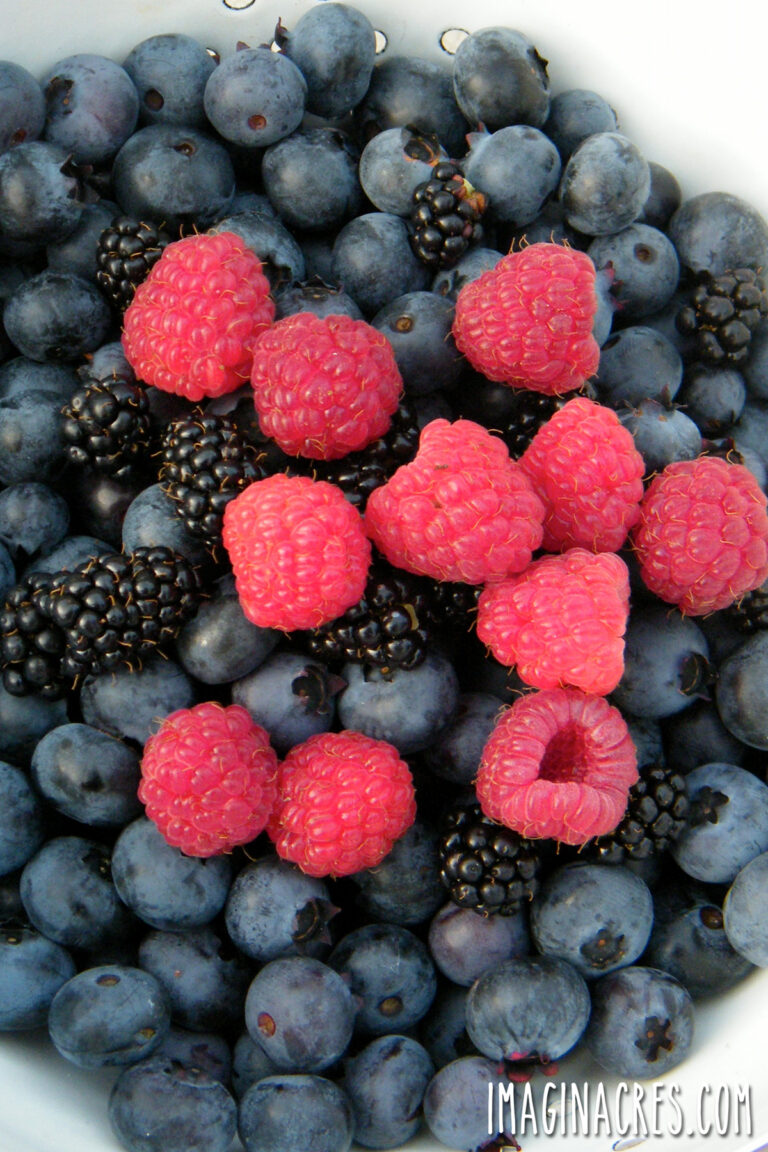
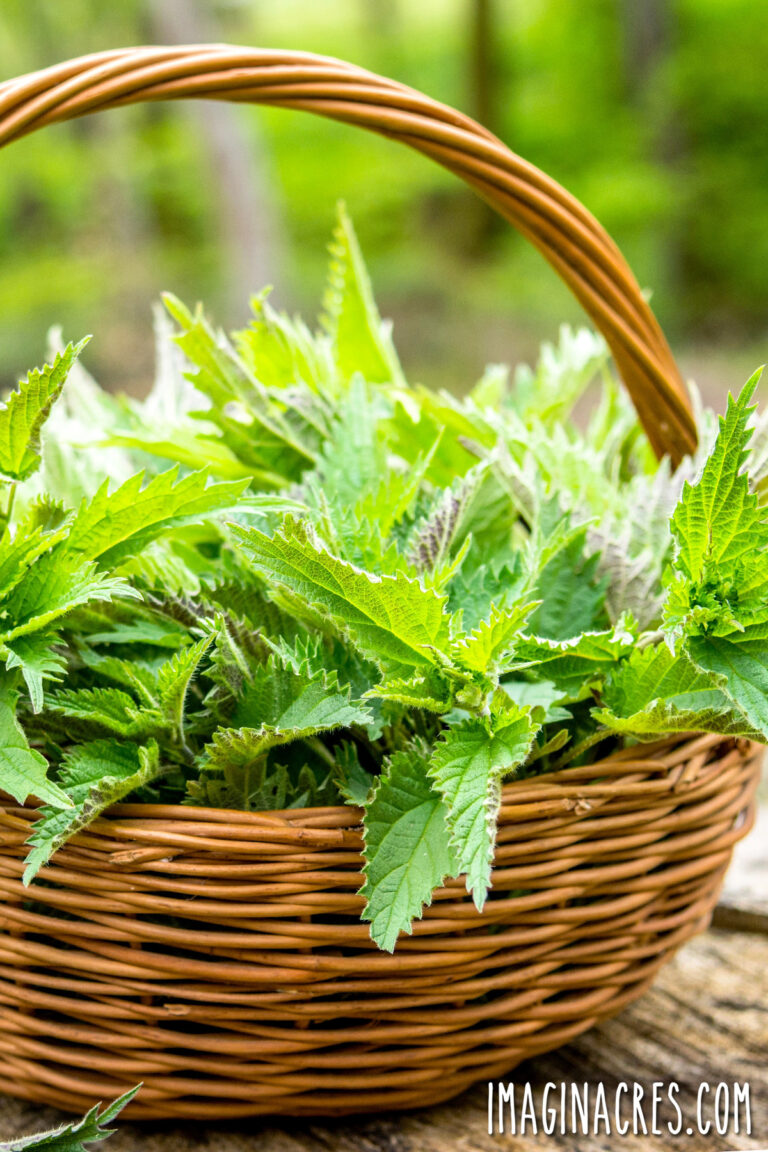


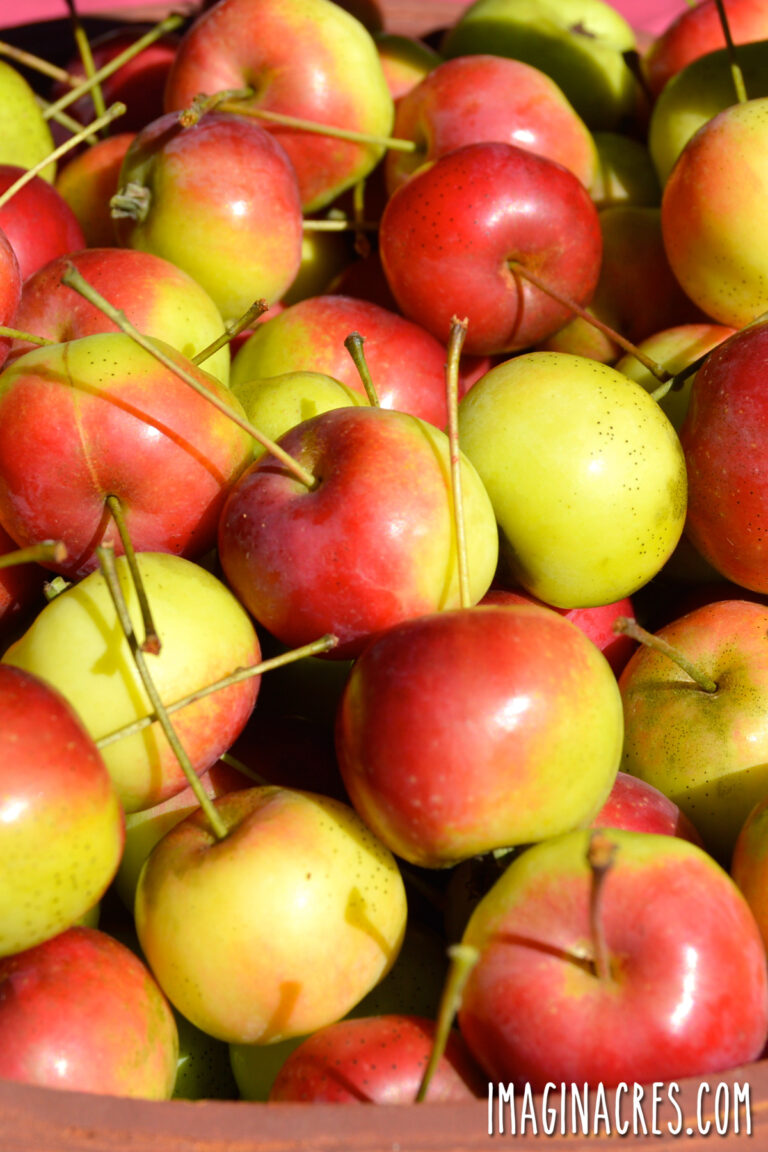
These plants are all great sources of food, but these stories never mention berries! Is it because it’s so obvious? There are always wild berries here, ripening at different times of the summer and fall.
You’re absolutely right—wild berries are an incredible seasonal food source! They’re so abundant (and delicious!) that I decided to give them their own dedicated post: 8 Wild Fruits and Berries to Harvest Along Trails and Forests