10 Best Dual Purpose Chicken Breeds for Eggs and Meat
Looking for the best dual-purpose chickens? Discover 10 top breeds that provide both eggs and meat, making them ideal for backyard flocks and homesteading.

If you’re building a backyard flock and want chickens that can lay plenty of eggs and provide a decent amount of meat, you’re in the right place. Dual-purpose chicken breeds are perfect for small homesteads and self-sufficient lifestyles because they offer the best of both worlds.
In this guide, we’ll look at what makes a breed truly dual-purpose and share some of the best options to consider for your coop.
What Is a Dual Purpose Chicken?
Dual-purpose chickens are breeds that are valued both for their egg-laying ability and their meat production. These hens typically have a medium to large body size, lay a moderate to high number of eggs per year, and grow at a reasonable pace, providing a good carcass weight if butchered.
They’re ideal for:
- Homesteaders who want a self-sustaining flock
- Families looking for both eggs and meat without raising separate breeds
- People who appreciate traditional or heritage breeds
What to Look for in a Dual Purpose Breed
When choosing a dual-purpose chicken, consider the following traits:
- Egg Production: Look for breeds that lay at least 180 to 250 eggs per year.
- Size and Growth Rate: Heavier birds provide more meat, and faster-growing ones reach butchering age sooner.
- Hardiness: Many dual-purpose breeds are cold-hardy, and some also tolerate heat well.
- Temperament: Friendly, docile breeds are often easier to manage.
10 Best Dual Purpose Chicken Breeds
With so many chicken breeds to choose from, it can be hard to know which ones are truly suited for both egg laying and meat production. To help create this list, I gathered insights from experienced homesteaders and backyard chicken keepers in forums and online groups who actually raise these breeds for both eggs and meat.
The following chickens have stood the test of time on small farms and homesteads, offering a balanced combination of productivity, hardiness, and temperament. Whether you’re building a flock for fresh eggs, homegrown meat, or both, these dual-purpose breeds are excellent choices to consider.
1. Rhode Island Red
Initially developed in Rhode Island in the late 1800s, this classic American breed is one of the most productive and adaptable dual-purpose chickens. Known for their hardiness and excellent egg production, Rhode Island Reds have even been used in commercial hybrid lines thanks to their reliability and vigor.

- Eggs: 250 to 300 large brown eggs per year
- Meat: Moderate to good meat bird; flavorful and firm texture
- Temperament: Hardy, confident, can be assertive in mixed flocks
- Broodiness: Rarely goes broody
- Climate Suitability: Excellent cold- and heat-tolerance
- Foraging: Very active foragers; excellent free-rangers
- Hardiness: Extremely disease-resistant and low maintenance
2. Plymouth Rock (Barred Rock)
Developed in the northeastern United States in the 1800s, Plymouth Rocks are a beloved dual-purpose breed known for their striking barred plumage and dependable performance. They’re a favorite among backyard keepers for their friendly personalities, steady egg production, and cold-hardy nature.
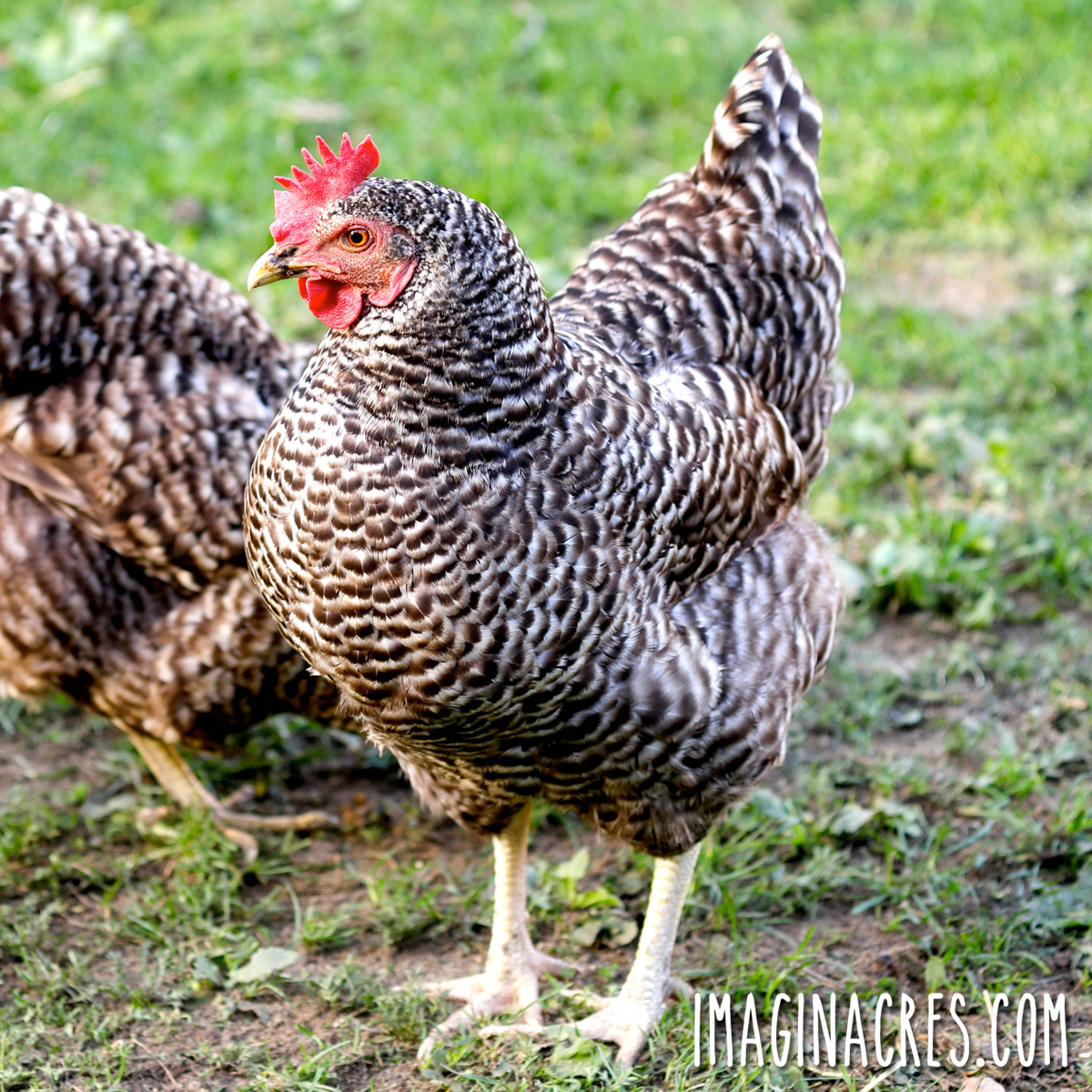
- Eggs: 200 to 280 large brown eggs per year
- Meat: Good carcass size with well-rounded body
- Temperament: Friendly, calm, good with children
- Broodiness: Occasionally goes broody
- Climate Suitability: Cold hardy
- Foraging: Enjoys free-ranging but adapts well to confinement
- Hardiness: Robust and healthy with minimal care
3. Australorp
Originating in Australia as a refinement of the Black Orpington, Australorps are renowned for their exceptional egg-laying ability and calm temperament. This breed is a top choice for small homesteads thanks to its productivity, hardiness, and gentle personality.

- Eggs: 250 to 300 large brown eggs per year
- Meat: Good table bird with tender, flavorful meat
- Temperament: Quiet, gentle, very docile
- Broodiness: Occasionally broody; good mothers
- Climate Suitability: Cold hardy, tolerates heat if shaded
- Foraging: Likes to forage but does fine in runs
- Hardiness: Healthy and adaptable
4. Orpington
First bred in England in the late 1800s, Orpingtons were designed to be the ideal dual-purpose farm bird. With their soft feathering, large frame, and sweet disposition, they’ve become one of the most popular backyard breeds, especially the golden-colored Buff Orpington variety.

- Eggs: 200 to 280 large brown eggs per year
- Meat: Large, meaty carcass with excellent flavor
- Temperament: Exceptionally friendly and calm
- Broodiness: Frequently goes broody and makes an excellent mother
- Climate Suitability: Cold hardy due to dense feathering
- Foraging: Prefers staying close to the coop but will forage
- Hardiness: Hardy and generally healthy
5. Sussex
The Sussex is an ancient English breed with a long-standing reputation for producing both excellent meat and eggs. These birds are known for their curious and calm nature, making them an ideal choice for family flocks, especially in colder climates.

- Eggs: 220 to 260 large light brown eggs per year
- Meat: Fine-grained, white meat with good flavor
- Temperament: Curious, calm, people-friendly
- Broodiness: Can go broody but not overly so
- Climate Suitability: Extremely cold hardy
- Foraging: Excellent foragers; reduce feed costs
- Hardiness: Hardy and adaptable to various conditions
6. Wyandotte
Wyandotte was developed in North America in the 1870s as one of the country’s first dual-purpose breeds. Their beautiful laced plumage and resilient nature make them a standout choice for northern flocks.

- Eggs: 200 to 240 medium to large brown eggs per year
- Meat: Round-bodied with rich meat
- Temperament: Quiet, independent, good in mixed flocks
- Broodiness: Occasionally broody
- Climate Suitability: Cold hardy
- Foraging: Moderate forager; happy in coops or runs
- Hardiness: Healthy and low-maintenance
7. Delaware
Bred in the 1940s to serve as a commercial broiler, the Delaware is a fast-growing, efficient, dual-purpose breed. Though largely replaced by modern hybrids in the meat industry, this active and alert bird still shines on homesteads for both eggs and table use.

- Eggs: 200 to 250 large brown eggs per year
- Meat: Broad breast with good carcass size
- Temperament: Calm, active, and alert
- Broodiness: Rarely broody
- Climate Suitability: Does well in various climates
- Foraging: Great foragers and active birds
- Hardiness: Hardy and fast-maturing
8. Jersey Giant
As the largest recognized chicken breed, Jersey Giants were developed in New Jersey in the late 1800s as a potential turkey alternative. Though they grow slowly, their sheer size and gentle personality make them excellent meat birds for patient flock keepers.

- Eggs: 180 to 260 large brown eggs per year
- Meat: Excellent meat bird with large frame and mild flavor
- Temperament: Gentle giants, calm and slow-moving
- Broodiness: Rarely broody
- Climate Suitability: Cold hardy; may struggle in extreme heat
- Foraging: Moderate forager
- Hardiness: Healthy but slow to mature
9. Brahma
With their feathered legs, massive size, and calm disposition, Brahmas are often referred to as the “gentle giants” of the poultry world. Originally developed in the U.S. from imported Asian breeds, they are especially well-suited to cold climates and winter egg production.

- Eggs: 150 to 200 medium to large brown eggs per year
- Meat: Excellent cold-weather meat bird with good flavor
- Temperament: Sweet, quiet, non-aggressive
- Broodiness: Occasionally broody
- Climate Suitability: Exceptionally cold hardy
- Foraging: Prefer calm environments; forage moderately
- Hardiness: Hardy but prefer dry environments due to feathered feet
10. Buckeye
The Buckeye is a truly American breed developed in Ohio in the late 1800s and the only chicken breed created by a woman (at least publically). Hardy, alert, and excellent foragers, Buckeyes are well-suited to cold climates and small homesteads looking for reliable dual-purpose birds.

- Eggs: 180 to 240 medium brown eggs per year
- Meat: Tasty meat with well-rounded carcass
- Temperament: Active, curious, friendly
- Broodiness: Occasionally broody
- Climate Suitability: Handles cold well
- Foraging: Excellent foragers; pest control champs
- Hardiness: Very healthy and predator-aware
What to Expect from Dual Purpose Chickens vs. Meat Chickens
If you expect the soft, pale meat of supermarket chickens, dual-purpose birds may surprise you. Their meat is flavorful but not always tender unless prepared correctly. That said, many homesteaders appreciate the trade-off for a more self-sufficient and sustainable flock.
While dual-purpose chickens are a practical choice, they don’t compare directly to chickens raised purely for meat production.
Key Differences:
- Growth Rate: Dual-purpose breeds grow more slowly than commercial meat birds. They usually take 16 to 24 weeks to reach a harvestable size, whereas hybrid broilers, such as Cornish Cross, are ready in just 6 to 8 weeks.
- Body Shape and Size: Meat chickens (like Cornish Cross) are bred for oversized breast meat and rapid weight gain. Dual-purpose chickens have a more balanced, athletic build, with less breast meat and firmer muscle.
- Meat Texture and Flavor: The meat from dual-purpose breeds is denser and more flavorful, especially if they’ve been active and allowed to forage. Some people prefer the richer taste, but it can be tougher than store-bought chicken, especially if processed too late or not cooked properly.
- Processing Age Matters: Harvesting at the right age (typically 16 to 20 weeks) results in more tender meat. Older birds can still be used, but they’re best suited for slow cooking or stews.
How to Choose the Right Breed for Your Needs
When selecting dual-purpose chickens for your homestead or backyard, it’s important to consider your climate, available space, and overall goals for your flock. Some breeds excel in egg production, while others offer more meat, and many heritage chicken breeds provide a reliable balance of both.
- Live in a cold climate? Brahmas, Wyandottes, and Sussex are cold-hardy birds that handle winter weather well.
- Raising chickens in hot climates? Consider lighter-feathered breeds, such as Australorp, Delaware, or Rhode Island Red, which are more heat-tolerant and better suited to warmer regions.
- Need strong egg layers for your laying flock? Australorps and Rhode Island Reds are among the most dependable producers.
- Prioritizing meat? Jersey Giants and Orpingtons are excellent choices for those who want a heavier bird with good flavor and carcass size.
- Interested in preserving heritage chicken breeds? Many of the birds on this list, such as the Buckeye, Sussex, and Plymouth Rock, offer historical value and hardiness passed down through generations of homesteaders.
- Looking to build a well-rounded flock? Raising a mix of breeds can give you diversity in egg color, temperament, and productivity while supporting a flock with more diverse genetics, something that’s especially valuable for small-scale or sustainable breeding.
A thoughtfully chosen mixed flock not only looks beautiful in the yard but also brings balance, resilience, and variety to your backyard setup.
Before You Decide…
Thinking through the pros and cons? Dual-purpose chickens are a great solution for many backyard flocks, but they’re not perfect for everyone.
If you’re curious about the downsides or challenges of raising dual purpose chickens, check out our companion article: The Trouble with Dual Purpose Chicken Breeds.
Final Thoughts
Dual-purpose chickens offer flexibility and function for homesteaders who want both reliable layers and meat without managing separate flocks. With so many excellent breeds to choose from, you’re sure to find a few that fit your needs perfectly.
Have experience with dual-purpose breeds? Let us know in the comments!
You May Also Like:
- 6 Signs Your Hen Will Soon Lay Eggs
- 5 Tips for Introducing New Chickens to Your Flock
- How to Hatch Eggs with a Broody Hen