10 Easy Crops to Grow at Home: Save Money and Eat Safer
Save money and reduce your exposure to food recalls with these 10 easy vegetables to grow at home. Learn how to grow fresh, safe, and budget-friendly produce even in small spaces.
Are you tired of watching grocery prices climb while wondering where your produce came from? Growing your own food isn’t just a way to cut costs. It’s also one of the best ways to take control of your health and safety.
From rising produce prices and increased pesticide use to salmonella outbreaks in store-bought veggies (like the recent cucumber recall), more people are turning to their backyards, patios, and windowsills to grow the food they eat every day. Even a small vegetable garden can produce a surprising amount of fresh, flavorful food and help you skip the store altogether.
Here are 10 easy fruit and vegetables to grow at home that will help you save money and avoid the risks that come with store-bought produce.
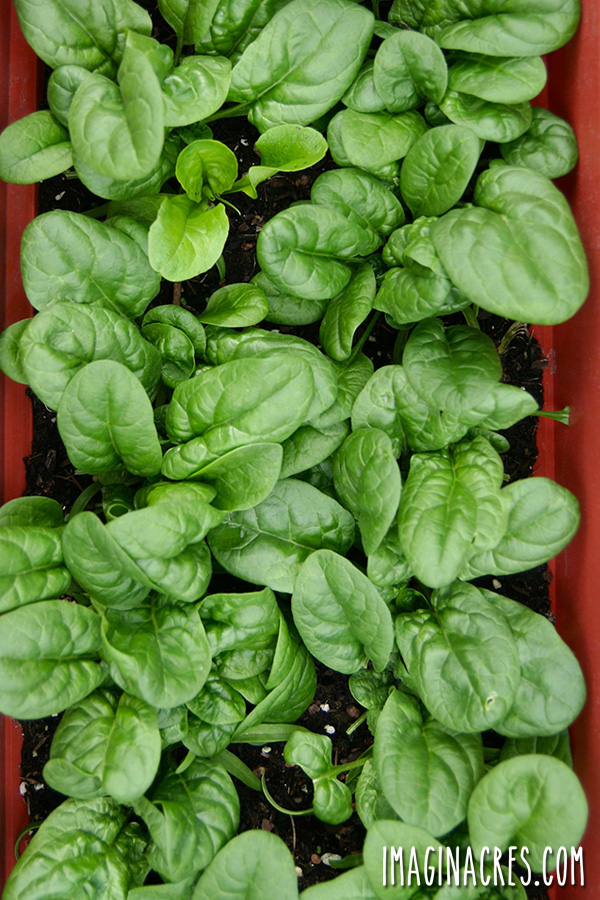
Lettuce and Salad Greens
Store-bought salad mixes can be costly and often spoil just days after purchase. Growing your own leafy greens is quick, simple, and incredibly rewarding. Many varieties regrow after cutting, giving you multiple harvests from a single planting.
Why It’s Worth Growing
A few packages of seeds can yield months of fresh salads for a fraction of the cost of store-bought greens. Organic salad mixes often cost $4 to 6 per 5-ounce bag and tend to wilt quickly. A packet of seeds is only about $3 and yields multiple rounds of harvest.
When you grow your own, you can harvest exactly what you need right when you need it. Plus, you’ll avoid pesticides and food contamination that seems to be plaguing our food system, particularly Listeria and E. coli. Most importantly, freshly harvested greens just taste so much better than store-bought.
Growing Tips
Most salad greens, including leaf lettuce, kale, spinach, and swiss chard are cool season crops and grow best when planted in spring and late summer for fall harvests. To extend your harvest, try growing heat-tolerant varieties in summer or grow greens in an area with partial shade.
- When to plant: Cool-season crops. Plant in spring and again in late summer for fall. Succession plant every 2 weeks to keep the harvest going.
- Where to grow: Window boxes, containers, raised beds, or tucked into garden borders.
- Light needs: Full sun (6+ hours per day) to partial shade (shade helps prevent bolting in summer).
- Soil: Loose, well-draining soil rich in compost.
- Water: Keep consistently moist for tender leaves. Water in the morning for best results.
- Quick win: Baby greens are ready in as little as 21 days!
- Try growing in containers: How to Grow Salad Greens in a Window Box
Harvest Tips:
- Harvest early in the morning for the crispest flavor.
- For baby greens, cut when leaves are 3 to 4 inches tall.
- Harvest outer leaves as needed (cut-and-come-again method). Use clean scissors to snip the outer leaves above the base. New leaves will regrow from the center of the plant.
Tomatoes
Tomatoes are one of the most satisfying crops to grow, and they’re loaded with flavor when picked fresh. Whether you grow big slicers or bite-sized cherry tomatoes, this crop gives you major value, especially if you normally buy organic. They’re perfect for fresh eating, cooking, or preserving. So it is worth it to grow your own tomatoes.
Why It’s Worth Growing
Fresh tomatoes are one of the most flavorful and cost-effective crops you can grow at home. Store-bought tomatoes, especially organic or heirloom varieties, can cost $3 to 5 per pound and often lack flavor. One healthy tomato plant can yield 10 to 20 pounds of fruit over the season.
Growing Tips
Choose a mix of determinate (bushy) and indeterminate (vining) varieties for a mix of harvest styles. Cherry tomatoes are great for beginners and produce abundantly.
- When to plant: Plant hardened off seedlings after the danger of frost has passed.
- Where to grow: In the ground, raised beds, or large containers.
- Light needs: Full sun, at least 6 to 8 hours per day.
- Soil: Rich, well-draining soil with compost or aged manure.
- Water: Deep water at the base; avoid wetting leaves.
- Support: Use cages, trellises, or stakes to support plants.
- Try growing in containers: How to Grow Tomatoes in Pots
- Additional tips: 10 Tomato Growing Tips Easy to Understand
Harvest Tips:
- Pick when fruits are fully colored and slightly firm.
- Twist gently from the vine or use clippers to avoid damaging the stem.
- Let tomatoes ripen indoors if picked slightly underripe due to weather or pests. Just place them on the kitchen counter.
Cucumbers
Fresh cucumbers are refreshing, crunchy, and perfect for salads, sandwiches, and pickles. I love to snack on them every day in the summer. They’ve also been linked to several food recalls, making them a smart choice to grow yourself.
Why It’s Worth Growing
Cucumbers are easy to grow at home. Store-bought cukes, especially organic ones, can cost $2 to 3 each and are often wrapped in plastic. One cucumber plant can yield 10 to 20 cucumbers or more. Food safety issues like the recent salmonella recalls make homegrown cukes even more appealing. Growing your own means fewer worries and fresher crunch.
Growing Tips
Cucumbers come in many types, but the two main categories are slicing cucumbers for fresh eating and pickling cucumbers, which are shorter and more versatile than you might think. We love growing pickling varieties because they have fewer seeds and work beautifully for snacking, fresh salads, and homemade pickles.
Bush varieties are a great choice if you’re short on space. They grow well in containers and stay more compact than vining types. Just be sure to provide full sun, regular water, and a trellis or cage for support if you’re growing vining varieties.
- When to plant: Cucumbers love warm weather. Direct sow seeds after all danger of frost has passed.
- Where to grow: In the ground, raised beds, or large containers with a trellis or cage.
- Light needs: Full sun, at least 6 to 8 hours per day.
- Soil: Loose, fertile soil with compost and good drainage.
- Water: Keep evenly moist; cucumbers are water-hungry and can become bitter if too dry.
- Support: Trellising saves space, keeps the fruit clean, and reduces pest issues.
Harvest Tips:
- Check daily during peak season, as cucumbers grow fast.
- Pick fruit young and often, 4 to 6 inches long is ideal for slicers, smaller for picklers.
- Harvest with scissors or gently twist from the vine to avoid damaging the plant.
Green Beans
Green beans are one of the most beginner-friendly vegetables you can grow. They germinate quickly, require little fuss, and deliver an impressive harvest in a short amount of time. Whether you grow bush beans (compact and great for small spaces) or pole beans (which climb and produce over a longer season), you’ll enjoy crisp, flavorful beans that taste nothing like the limp ones from the store.
Why It’s Worth Growing
Green beans are fast-growing, high-yielding, and taste far better fresh from the garden. Organic green beans can cost $3 to 5 per pound at the grocery store and often lack the crispness of homegrown. One small packet of seeds can produce pounds of tender beans for fresh eating or preserving. Just a 10-foot row can produce 4 to 5 pounds of fresh string beans with better flavor and no packaging.
Growing Tips
Bush beans are compact and don’t need support, making them perfect for small spaces and growing in containers. Pole beans grow vertically and need a trellis but produce over a longer season. Consider sowing bush beans every 2 to 3 weeks to extend the harvest. Once pole beans begin producing, they will continue until frost kills them.
- When to plant: Sow seeds after the last frost, once the soil has warmed up.
- Where to grow: In the ground, raised beds, or large containers.
- Light needs: Full sun, at least 6 to 8 hours per day.
- Soil: Loose, well-draining soil enriched with compost. Avoid over-fertilizing with nitrogen.
- Water: Keep soil evenly moist but not soggy. Water at the base to reduce disease.
- Succession Plant: Sow bush bean seeds every 2 to 3 weeks to stagger harvests.
- Support: Pole beans can be grown up teepees or arched trellises for a vertical garden feature.
Harvest Tips
- Pick when pods are slender and snap easily, before seeds inside bulge.
- Harvest frequently (every couple of days) to keep plants productive.
- Use two hands to avoid pulling on the plant, one to hold the vine, one to snap the bean.

Herbs
A handful of fresh herbs can add lots of flavor to your meals, but those grocery store bundles are often overpriced, taste bland, and go bad fast. Growing your own means they will be there waiting in your garden. You can snip as needed, and the plant will continue growing. No waste, no plastic packaging, and better flavor.
Many herbs are perennial too, which means they come back every year so you can plant once and harvest for many years to come. Once you plant oregano, chives, thyme, and sage, they will return every spring and provide plenty of foliage to use and preserve.
Why It’s Worth Growing
Fresh herbs are expensive at the grocery store, often $2 to 4 for a small bunch or plastic clamshell, and they wilt fast in the fridge. One herb plant can provide months of fresh cuttings. Growing your own means you’ll always have flavorful, aromatic herbs on hand to elevate your cooking and save money with every meal.
Growing Tips
You can start many herbs from seed, but you will get faster results from purchased plants from your local nursery or garden center.
- When to plant: After frost for tender herbs; hardier herbs can be planted earlier.
- Where to grow: Pots, window boxes, raised beds, or tucked around vegetables and flowers.
- Light needs: Most herbs love full sun (6+ hours), though parsley, mint, and chives tolerate some shade.
- Soil: Well-draining soil—herbs don’t like soggy roots.
- Water: Water when the top inch of soil feels dry; don’t overwater.
- Quick win: Basil and cilantro grow quickly from seed.
- No garden? No problem! A few pots on a kitchen windowsill can keep you stocked all year long: How to Grow a Windowsill Herb Garden
Harvest Tips
- Pick herbs in the morning for the best flavor.
- Harvest often to encourage bushier growth, just pinch or snip off the top few inches.
- Don’t harvest more than one-third of the plant at a time to keep it productive.

Peppers (Sweet and Hot)
Whether you love the crunch of sweet bell peppers or the heat of jalapeños, growing your own can reward you in many ways. The fresh, crisp flavor of homegrown peppers is so much better than the ones you buy in the grocery store. From sweet bells to fiery jalapeños, organic peppers are especially pricey, so another reason to grow your own. Plus, store varieties are very limited.
Why It’s Worth Growing
Peppers are one of the most cost-effective crops you can grow at home. Organic bell peppers often sell for $2 to $4 each, and hot peppers can cost $5 to $7 per pound especially for specialty varieties. Plus, due to high pesticide residues, peppers regularly appear on the EWG’s Dirty Dozen list.
Growing your own saves money and gives you access to unique heirloom and spicy varieties that are hard to find in stores. A single healthy plant can yield 6 to 10 peppers or more, depending on the type.
Growing Tips
Peppers are compact, productive, and easy to grow in beds or containers.
- When to plant: Transplant hardened off seedlings after the danger of frost has passed and the soil is warm.
- Where to grow: Raised beds, in-ground garden plots, or containers.
- Light needs: Full sun, at least 6 to 8 hours daily for good production.
- Soil: Well-draining, fertile soil enriched with compost.
- Water: Keep soil evenly moist; avoid letting plants dry out during fruiting.
- Support: Some larger varieties benefit from staking or cages to keep fruit off the ground.
Harvest Tips
- Pick sweet peppers when fully colored (red, orange, yellow) for maximum flavor, or green if you prefer a milder taste.
- Harvest hot peppers when they reach the desired size and color. They may get hotter the longer they stay on the plant.
- Use scissors or snips to avoid breaking stems.
Onions and Scallions
While bulb onions take time to develop, scallions (green onions) are fast, easy, and grow almost anywhere, even indoors. You can even regrow scallions from scraps.
I use onions almost every day in my cooking, so having plenty available when I need them is extremely helpful when preparing meals. Onions add depth to nearly all savory dishes, from roasted vegetables to sauces and stews. You can use scallions raw in salads or cooked in stir-fries and soups. Snip the greens for garnishes to add color to your plates.
Why It’s Worth Growing
Onions and scallions are used in nearly every savory dish, yet store-bought options can be unpredictable, sometimes sprouting, rotting quickly, or lacking flavor. Organic onions range from $2 to 3 per pound, while scallions cost $1 to 2 per small bunch.
One small patch can provide pounds of onions and weekly scallion harvests. Growing your own ensures freshness, cuts down on food waste, and gives you a steady supply of fresh onions for cooking when you need them.
Growing Tips
Onions can be started from seeds, sets (small dormant bulbs), or seedlings. For bulb onions, start seeds indoors early or plant sets and seedlings in the garden in early spring. Scallions (also called green onions) are even easier. You can start seeds early under lights, or sow seeds directly in the garden in spring, summer, or fall for a steady harvest.
- When to plant: Bulb onions: Start seeds indoors early, or plant sets and seedlings outside in early spring. Scallions: Sow seeds in spring, summer, or fall.
- Where to grow: Garden beds, raised beds, or containers.
- Light needs: Full sun (at least 6 hours per day).
- Soil: Loose, fertile, well-draining soil with lots of organic matter.
- Water: Keep soil evenly moist; avoid overwatering to prevent rot.
- Spacing: Give bulb onions enough room to swell; scallions can be grown closely together.
- Tip: Regrow scallions from kitchen scraps. Just pop the white root end into a glass of water or soil.
Harvest Tips
- Scallions: Ready in as little as 30 days. Pull when stalks are about finger-thick. You can also trim green tops from scallions and onions during growth for a mild onion flavor.
- Onions: Harvest when tops yellow and fall over naturally. Cure in a warm, dry place before storing.
Potatoes
Potatoes are one of the most satisfying crops to grow at home and are surprisingly easy. Conventional potatoes may be cheap at the store, but specialty types (like fingerlings or blues) can be expensive. Plus, they’re fun to grow in containers and give a big return. Grow bags make harvesting easy and keep things tidy in small spaces.
Why It’s Worth Growing
Potatoes are filling, versatile, and can be expensive, often $2 to 3 per pound. Baby potatoes and fingerling potatoes are around $3 to 4 a pound. Growing your own lets you enjoy chemical-free spuds with amazing flavor and texture, straight from your backyard or even a grow bag. A single 10-gallon grow bag can yield 10 to 15 pounds.
Growing Tips
Start with certified seed potatoes from your local garden center for the best results. Grocery store potatoes are often treated to prevent sprouting, but organic potatoes from a local farmer’s market may work.
To plant, cut seed potatoes into chunks with at least one or two eyes each, let them dry for a day or two, then plant in loose, well-drained soil. Potatoes need room to develop underground, so space pieces 8 to 10 inches apart for fingerling varieties and 12 inches apart for full-sized potatoes, with rows about 2 to 3 feet apart.
As the plants grow, hill soil or mulch around the base every couple of weeks to cover the stems. This encourages more tuber growth and prevents sunlight from turning them green.
- When to plant: 2 to 4 weeks before your last expected frost date.
- Where to grow: In-ground, raised beds, grow bags, or large containers.
- Light needs: Full sun, 6+ hours daily.
- Soil: Loose, fertile, well-draining soil
- Water: Keep soil consistently moist but not soggy, especially once plants begin to flower. That’s when tubers are forming. Deep watering once or twice a week is better than frequent shallow watering.
Harvest Tips
- For new potatoes, harvest when plants flower.
- For storage potatoes, wait until the foliage yellows and dies back.
- Gently dig with a garden fork and your hands to avoid damaging the tubers. Enjoy fresh, or cure for 1 to 2 weeks in a cool, dark spot before storing. Store cured potatoes for months in a cool, dark, well-ventilated space.
Zucchini and Summer Squash
Zucchini is a classic garden overachiever. One plant can supply you with enough for baking, grilling, and even freezing for later. Zucchini and summer squash are incredibly productive, beginner-friendly crops that can practically feed a small village from just a few plants!
Why It’s Worth Growing
Zucchini and summer squash are some of the easiest vegetables to grow and are known for being prolific producers. Even a single plant can yield pounds of fresh squash over the season. Organic summer squash often sells for $2 to 3 per pound, and grocery store options can spoil quickly. One healthy plant can produce 10 to 20 pounds over the season. Growing your own gives you better texture, fresher flavor, and fewer trips to the store.
Growing Tips
Zucchini and summer squash are prolific producers but need space to thrive. Some varieties can sprawl 4 to 5 feet wide. If space is limited, look for bush-style or compact varieties, which do well in raised beds and large containers (at least 5 gallons).
- When to plant: Direct sow seeds outdoors after your last frost date, when the soil has warmed to at least 60°F. You can plant in mounds or rows for good drainage.
- Where to grow: In-ground gardens, raised beds, or large containers with room to spread.
- Light needs: Full sun (6–8 hours daily).
- Soil: Rich, well-draining soil mixed with compost or aged manure.
- Water: Squash plants need consistent moisture, especially when flowering and fruiting. Water deeply at the base 1 to 2 times a week, depending on the weather.
Harvest Tips
- Harvest zucchini and summer squash when young and tender, typically 6 to 8 inches long for zucchini and 4 to 6 inches for round or patty pan types. Oversized squash can become tough and reduce future yields.
- Use garden shears or a knife to avoid damaging the plant.
- Picking regularly (every couple of days) encourages the plant to keep producing.
- Check daily during peak season. Zucchini can double in size overnight!

Strawberries
Strawberries are a beloved backyard crop, and growing your own means fresher, sweeter berries without the steep price or pesticide concerns.
Why It’s Worth Growing
Store-bought strawberries are often expensive, picked underripe, lack flavor, and don’t last long once you bring them home. Organic strawberries typically cost $4 to 6 per pint and are one of the top items on the Dirty Dozen list due to pesticide residues. Growing your own gives you safe, sun-ripened berries with unbeatable flavor and fragrance. A small patch or container can produce 2 to 4+ pints per plant in season.
Growing Tips
Purchase healthy strawberry plants from a reputable nursery or garden center. Strawberries are easy to grow and rewarding, but a little planning goes a long way. Choose the right type for your needs:
- June-bearing: One large harvest per year (great for preserving).
- Everbearing: Two main harvests, in spring and fall.
- Day-neutral: A steady trickle of berries from late spring to frost.
If you want more fruit, pinch off runners so the plant can focus its energy on producing berries. If you’d rather let them spread and fill out a bed, allow some runners to root.
- When to plant: Early spring, or fall in warmer climates.
- Where to grow: In-ground beds, raised beds, hanging baskets, or containers.
- Light needs: Full sun (6 to 8 hours daily).
- Soil: Loose, rich, and well-draining; mix in compost before planting.
- Water: Keep the soil consistently moist, especially while berries are forming.
- Spacing: Leave room between plants for airflow and runner growth if desired.
- Try growing in pots: Tips for Growing Strawberries in Containers
Harvest Tips
- Pick when berries are fully red with no green tips. Ripening stops once picked.
- Harvest every day or two during peak season so you don’t miss the ripe window.
- Use gentle hands and twist berries off the stem to avoid bruising.

Grow What You Eat, Eat What You Grow
While saving money is a great reason to grow vegetables at home, there’s another powerful motivator: peace of mind. When you grow your own, you skip the pesticides and the cross-country shipping, processing, and handling that can introduce bacteria or chemicals. You also pick it fresh, which means better flavor.
Grocery store produce can carry unseen risks, from E. coli outbreaks in bagged salads to recent salmonella recalls in cucumbers. Many fruits and vegetables also appear on the Environmental Working Group’s “Dirty Dozen” list due to high pesticide residues. Growing your own food allows you to avoid these concerns, reduce exposure to chemicals, and skip the long journey from farm to store shelf. Best of all, you’ll enjoy produce that’s fresher, more flavorful, and more nutritious.
You don’t need a huge garden to start saving money. Even a few containers on a patio or sunny windowsill can supply your kitchen with fresh, homegrown food. Start with a few of the crops above, and you’ll soon see how rewarding it is to skip the store and harvest your own.
You May Also Like:
- How to Grow Spinach Indoors
- 10 Tomato Growing Tips that are Easy to Understand
- What to Do If Your Vegetable Garden Fails