10 Common Chick Health Problems and How to Prevent Them
Knowing the early signs of illness in young chicks helps you step in quickly, protect your flock members, and prevent small issues from becoming serious problems. Here are the most common baby chick health problems, plus tips to prevent them.
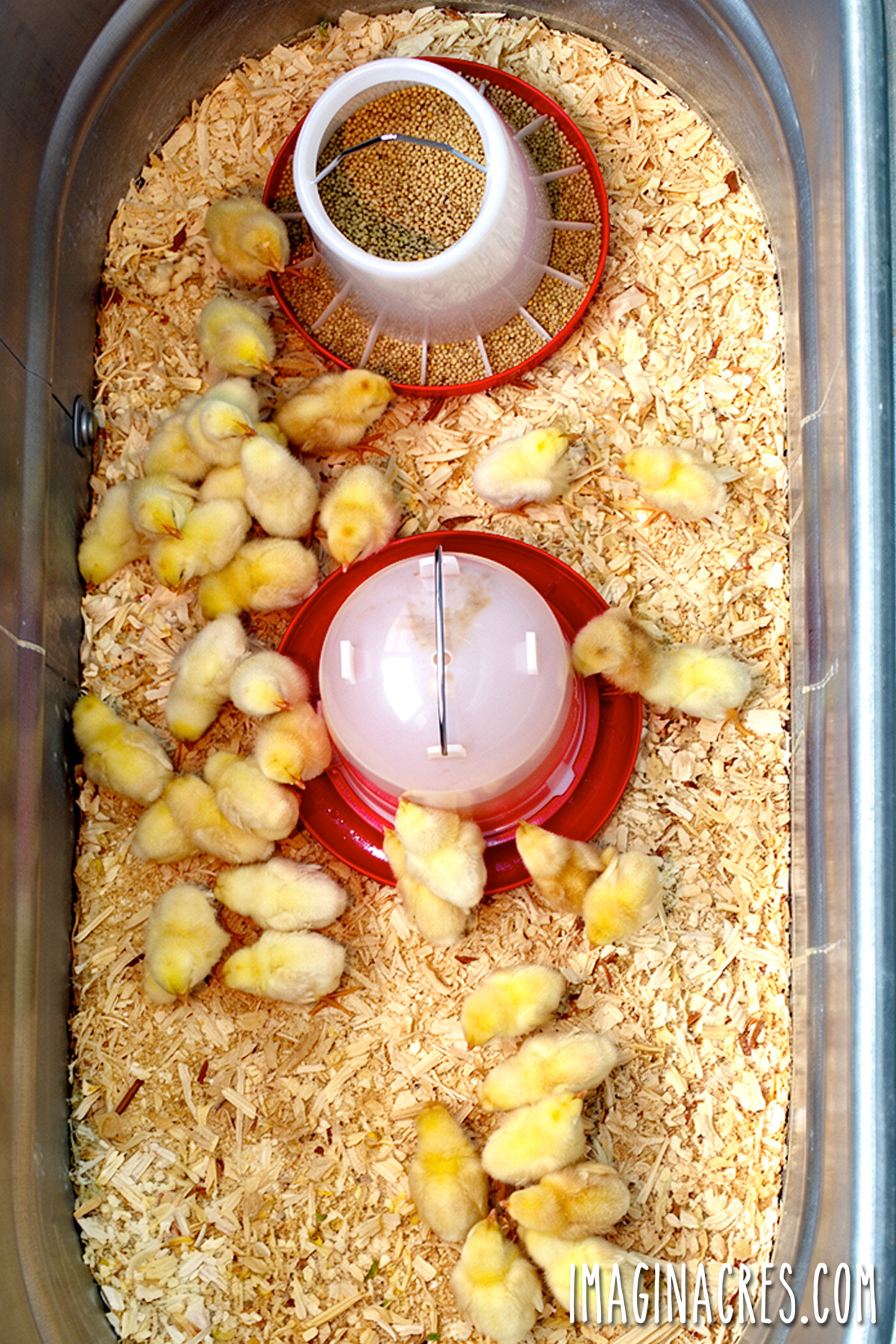
Raising baby chicks is one of the most joyful parts of chicken-keeping. They’re tiny, cuddly, and endlessly entertaining, but they’re also fragile in their first weeks of life. Many chick health problems stem from stress, temperature swings, poor nutrition, or infections they are vulnerable to during early development.
The good news? Most issues can be prevented long before they threaten your chicks’ wellbeing.
Keeping baby chicks healthy doesn’t have to feel overwhelming. Once you know what to look for and how to prevent the most common issues, you’ll feel much more confident caring for your flock.
This guide covers the most common chick health problems, early warning signs, and practical ways to prevent illness so your young chicks grow into strong, thriving flock members.
Why Chick Health Issues Happen
Chicks grow rapidly and have not yet fully developed immune systems, making them more susceptible to infections, parasites, and environmental stress. The most common triggers for chick illness include:
- Temperature stress (chilled or overheated chicks).
- Improper brooder setup (slippery floors, poor ventilation, overcrowding).
- Contaminated bedding or exposure to feces.
- Dirty waterers or feeders.
- Poor-quality chicken feed.
- Parasites in bedding or soil.
- Stress from shipping or transport.
In my experience, providing clean living conditions, stable heat, fresh food, and clean water can prevent most issues.
1. Pasty Butt (Vent Gleet in Chicks)
This is usually the first issue new chicken-keepers encounter, especially during a chick’s first week of life. Pasty butt occurs when dried feces block the chick’s vent, making it difficult or impossible to pass droppings.
It often shows up after shipping stress, temperature fluctuations, or dehydration. While it looks alarming at first, it’s usually easy to manage when caught early. I make a habit of checking butts daily during those early days, and in my experience, catching this early always leads to a quick recovery.
Signs to Watch For:
- Poop stuck over the vent.
- Loud chirping or discomfort.
- Straining or lethargy.
- Loss of appetite.
Causes:
- Chilling during shipping.
- Dehydration.
- Stress.
- Fluctuating temperatures.
Treatment:
- Soften and clean the vent area with warm water and a cloth or cotton swab. Never pull dried feces off dry.
- Dry the chick thoroughly.
- Offer electrolytes to reduce stress.
Prevention:
- Keep brooder temperatures stable.
- Check vents daily during the first two weeks.
- Feed high-quality starter chicken feed.
2. Spraddle Leg (Splay Leg)
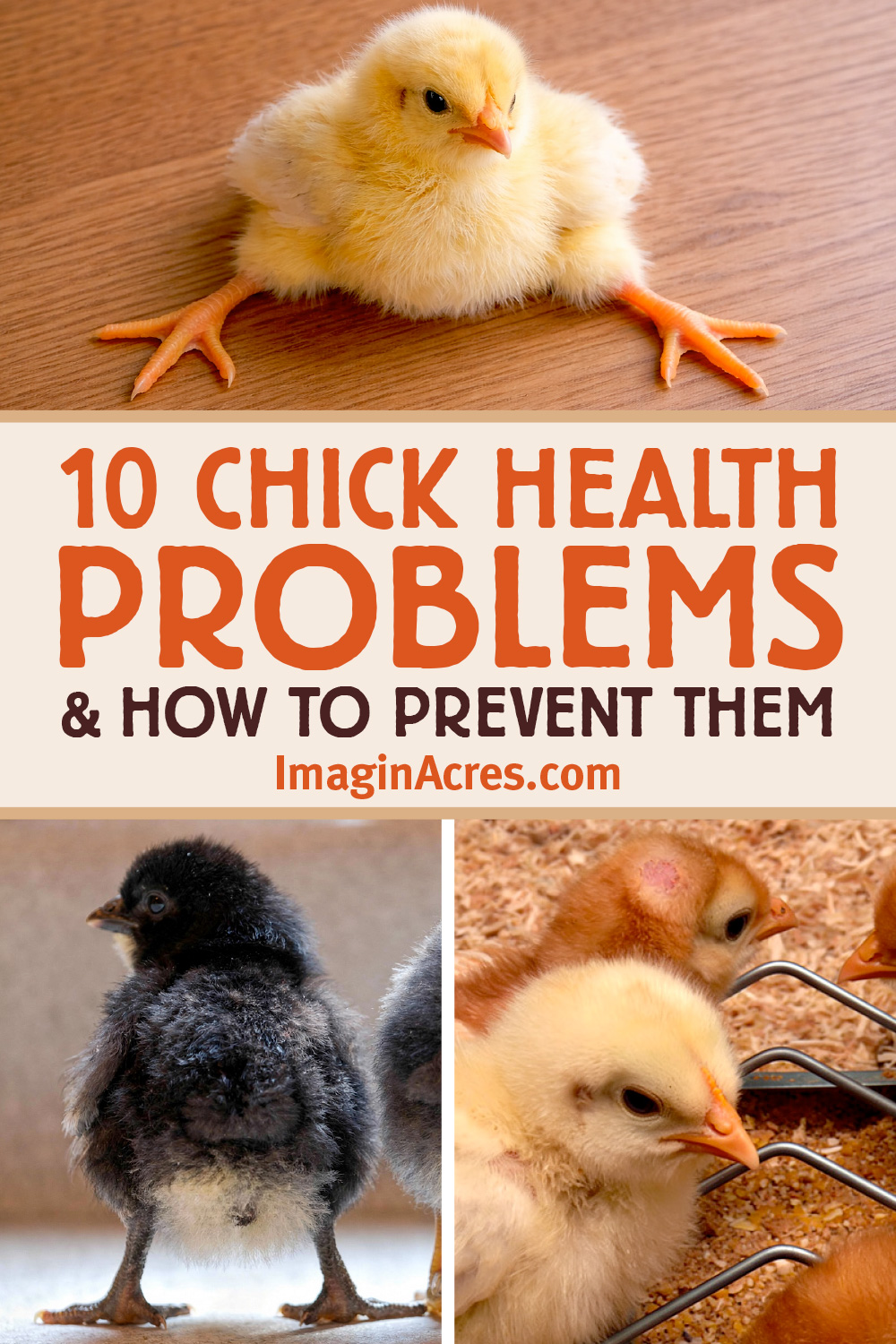
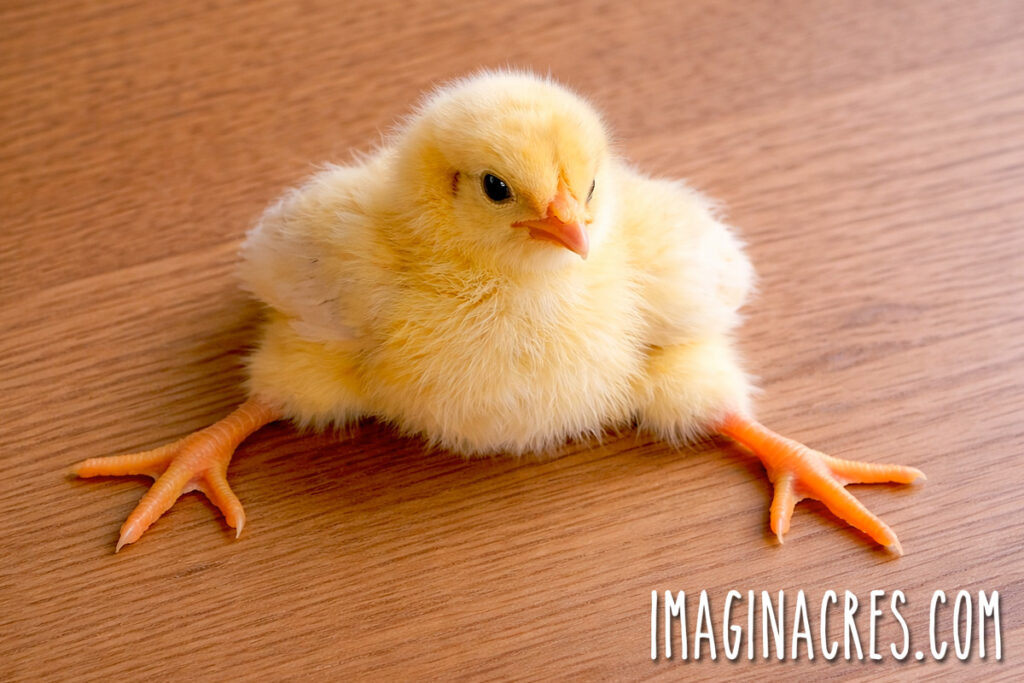
Spraddle leg is a developmental issue that affects a chick’s ability to stand or walk properly, often within the first few days after hatching. While it can look serious, it’s often linked to environmental factors, such as slippery brooder surfaces, rather than an underlying illness.
Early support and proper footing make a big difference, and many chicks recover quickly when given the right conditions. Knowing what causes spraddle leg helps prevent it before it starts.
I once had a Buff Orpington chick who hatched with spraddle leg. A little hobble made out of vet wrap was all it took, and she was walking normally in two days.
Signs:
- Legs splayed to the sides.
- Difficulty standing or walking.
- Weakness or slow development.
Causes:
- Slippery brooder flooring.
- Hatch injuries.
- Vitamin deficiencies.
Treatment:
- Use a gentle hobble (vet wrap or bandage) to keep legs in the correct position.
- Provide textured, nonslip bedding.
- Support with vitamins if needed.
Prevention:
- Always begin with grippy bedding such as paper towels or rubber shelf liner.
3. Chilled or Overheated Chicks
Temperature stress is one of the most common causes of chick illness, especially during the first few weeks of life when young chicks can’t yet regulate their own body temperature. Even small temperature swings caused by drafts, uneven heating, or sudden changes in room temperature can quickly stress chicks.
In my experience, most temperature-related issues aren’t caused by a wrong thermometer reading, but by a too small brooder that doesn’t allow chicks to move comfortably toward or away from the heat source. Learning to read chick behavior often tells you more than the numbers on a thermometer.
Signs of Chilled Chicks:
- Loud peeping.
- Huddling near the heat source.
- Slow movement.
Signs of Overheated Chicks:
- Panting.
- Wings held away from the body.
- Crowding in corners or far from the heat.
Treatment:
- Adjust brooder temperatures immediately.
- Slowly warm chilled chicks.
- Offer electrolytes.
Prevention:
- Start at 95°F and decrease by 5°F per week.
- Watch chick behavior. It’s more reliable than a thermometer.
4. Dehydration
Dehydration leads to weakness, diarrhea, and an increased risk of infections.
Dehydration can sneak up on young chicks faster than many people expect, particularly after shipping or during warm weather. Chicks lose moisture quickly, and even a short period without adequate water can leave them weak and stressed.
Dehydration often goes hand in hand with other issues, like overheating or difficulty finding the waterer. The good news is that once you know what to watch for, dehydration is one of the easiest problems to prevent.
Signs:
- Droopy wings.
- Sleepiness.
- Dry skin.
- Weak or raspy chirping.
Causes:
- Overheating.
- Dirty water.
- Not knowing how to drink after arrival.
Treatment:
- Provide electrolyte water.
- Show each chick the waterer by dipping its beak into the water.
Prevention:
- Upon arrival, dip each chick’s beak into the water and make sure they drink.
- Provide fresh water multiple times daily.
- Use chick-safe shallow waterers.
5. Starve-Out (Chicks Not Eating)
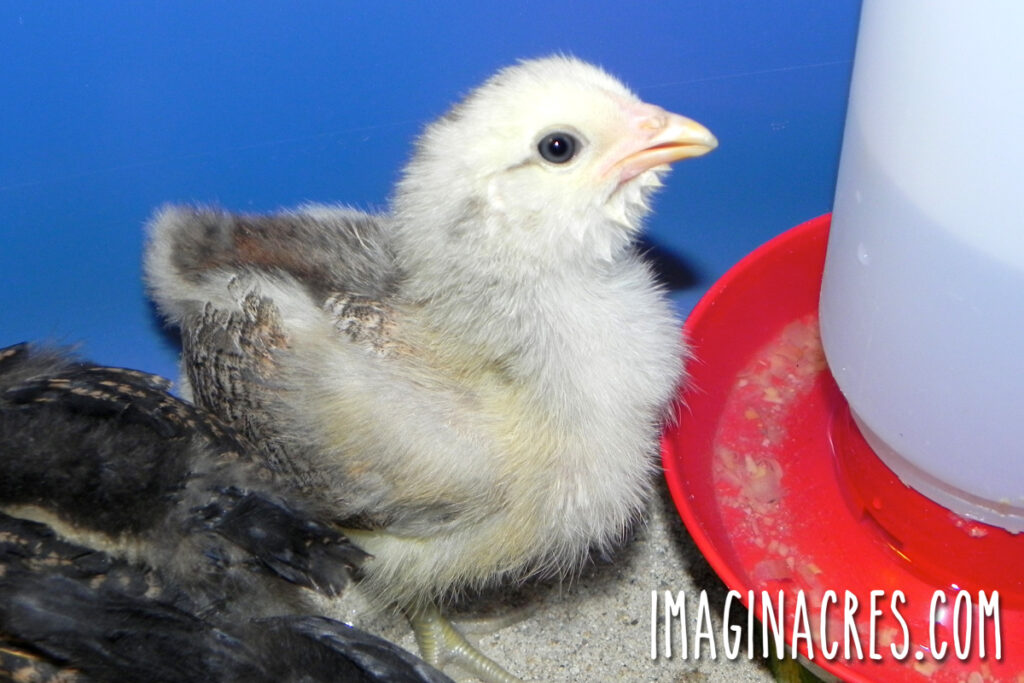
Most chicks learn to eat quickly, but occasionally one struggles to get started, especially after a long journey from the hatchery. Starve-out doesn’t mean something is wrong with the chick, it usually means they need a little extra guidance or a calmer setup.
I’ve found that simple adjustments, like showing chicks where the feed is or reducing competition, often solve the problem quickly. Early observation is key.
Signs:
- Weakness.
- Loss of appetite.
- Hollow crop.
Causes:
- Failing to find food or water.
- Being bullied by stronger chicks.
- Stress.
Treatment:
- Tap your finger on the feed like a mother hen pecking.
- Offer moistened starter feed.
- Separate the chick if needed, and try to get her to eat and drink.
Prevention:
- Teach chicks to eat within the first hour of their time in the brooder.
- Ensure feed is easy to access.
- Watch to be sure each chick is eating.
6. Coccidiosis
Coccidiosis is one of the more serious health concerns for young chicks, and it’s also one of the most misunderstood. The parasites that cause it are common in the environment, and problems usually arise when bedding stays damp or when chicks are exposed to contaminated areas too early.
While the disease can be intimidating, understanding how it spreads and the conditions that allow it to thrive makes prevention much easier.
Signs:
- Bloody or foamy diarrhea.
- Lethargy.
- Hunched posture.
- Loss of appetite.
Causes:
- Wet, dirty bedding.
- Contaminated soil.
- Overcrowding.
Treatment:
- Corid (amprolium) ASAP, following label or avian vet advice.
- Keep bedding dry and clean.
Prevention:
- Raise chicks in a clean brooder.
- Avoid wet litter.
- Provide good ventilation.
- Use medicated feed if appropriate.
7. Respiratory Infections (Including Brooder Pneumonia)
Respiratory problems are common when chicks breathe dust, ammonia, or mold spores.
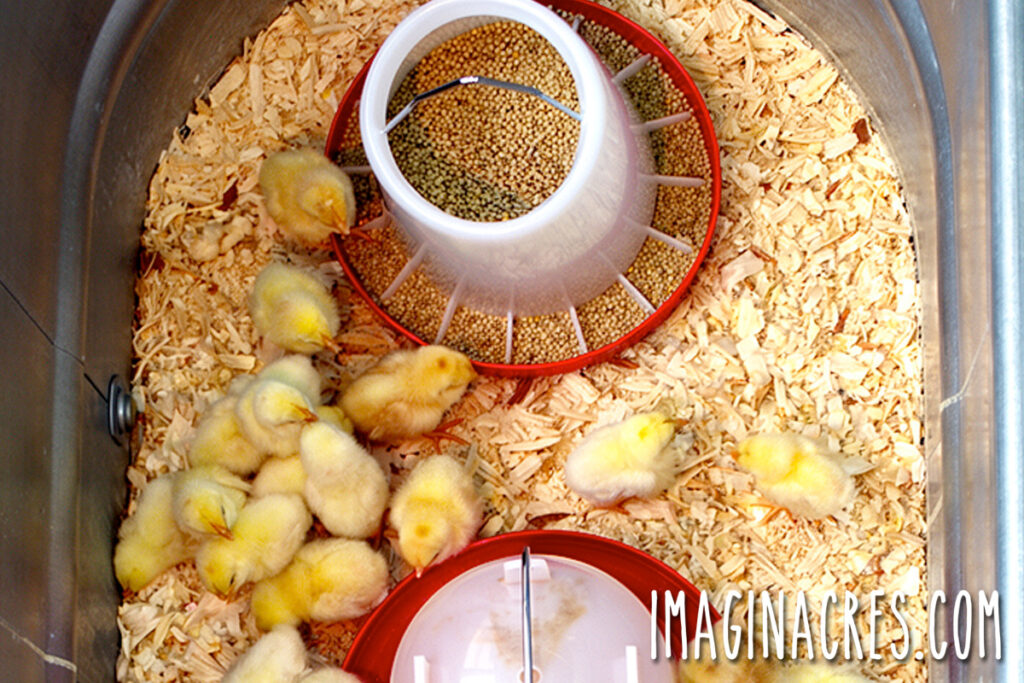
Chicks have delicate respiratory systems, and the air quality in the brooder plays a huge role in their overall health. Dust, ammonia from droppings, drafts, and damp bedding can all irritate their airways over time.
In my experience, respiratory issues are often linked to environmental conditions rather than sudden illness. Good ventilation and dry bedding go a long way toward keeping young chicks breathing easily.
Signs:
- Sneezing or wheezing.
- Coughing.
- Nasal discharge.
- Bubbly or watery eyes.
- Labored breathing.
Causes:
- Ammonia from built-up feces.
- Damp bedding.
- Dusty litter.
- Drafty brooder conditions.
- Mold spores (can lead to brooder pneumonia, a serious illness).
Treatment:
- Improve ventilation immediately.
- Replace bedding with clean, dry shavings.
- Remove dusty or moldy materials.
- Seek help from an avian vet for severe cases.
Prevention:
- Wash and sanitize the brooder before adding baby chicks.
- Keep bedding dry and fresh.
- Avoid dusty or scented litter.
- Provide airflow without direct drafts.
8. Impacted or Slow Crop
When the crop doesn’t empty properly, the chick becomes uncomfortable and at risk of infections.
A chick’s crop should fill and empty on a regular cycle, and checking it becomes second nature once you’re familiar with how it normally feels. When the crop doesn’t empty properly, it can leave a chick uncomfortable and off-balance.
Most crop issues in young chicks are related to diet, hydration, or bedding choices rather than disease. Paying attention to feeding habits early helps prevent these problems altogether.
Signs:
- Hard, full, or doughy crop.
- Discomfort.
- Slow growth.
- Loss of appetite.
Causes:
- Eating bedding.
- Treats too early.
- Dehydration.
Treatment:
- Gently massage the crop.
- Provide a few drops of olive oil or electrolyte water.
- Contact a veterinarian if the crop doesn’t improve within 24 hours.
Prevention:
- Avoid fine bedding that chicks might swallow.
- No treats for the first few weeks.
- Offer grit before treats.
- Always offer fresh water.
9. Injuries From Pecking or Piling
Chicks may injure one another when cramped, frightened, or curious.
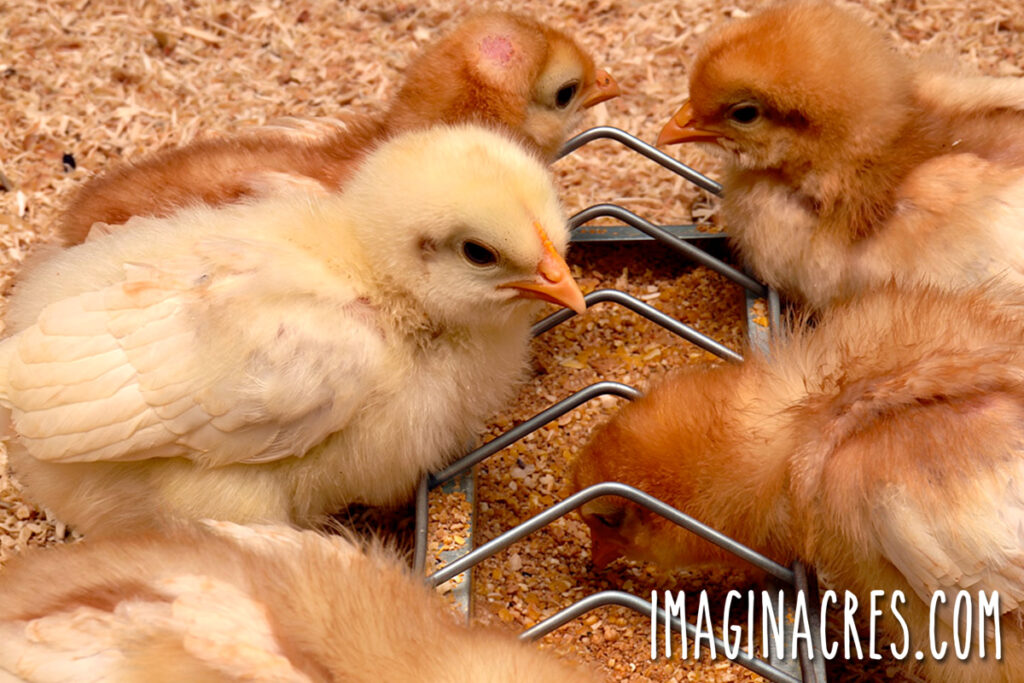
Chicks are social, curious, and surprisingly energetic, which sometimes leads to accidental injuries. Pecking and piling usually stem from environmental stressors, such as overcrowding, bright lighting, or sudden noises, rather than aggression.
I have found that small changes to space or lighting often resolve these behaviors quickly. Recognizing the cause helps you correct the setup instead of blaming the chicks.
Signs:
- Bald spots.
- Peck marks.
- Open wound.
- Chicks piling in corners.
Causes:
- Overcrowding.
- Harsh lighting.
- Boredom or stress.
- Sudden noises.
Treatment:
- Isolate injured chicks.
- Clean and treat any wound with poultry-safe ointment.
- Increase brooder space or rearrange the layout.
Prevention:
- Provide enough room for every chick.
- Use warm, low-intensity lighting.
- Offer enrichment, such as small roosts or mirrors.
10. Serious Viral Diseases (Such as Marek’s Disease)
While rare in very young chicks kept indoors, it’s important for chicken keepers to be aware of viral diseases like Marek’s disease.
Marek’s disease is one of those conditions that’s best understood from an educational standpoint rather than fear. Knowing how it spreads, what symptoms look like, and how vaccination helps provides context without causing unnecessary worry.
What to Know:
- Causes paralysis, tumors, and loss of appetite.
- Spread by feather dander and dust.
- Often fatal once symptoms appear.
- Prevented through vaccination at hatch.
When to Suspect Something Serious:
- Gradual paralysis.
- One or both legs stretched behind the body.
- Persistent weight loss.
- A chick fails to thrive even with treatment.
A veterinarian or avian vet can help confirm the diagnosis and guide the next steps.
When to Seek Veterinary Help
This guide is based on hands-on experience raising chickens, but severe or worsening symptoms should always be evaluated by a licensed avian vet.
Contact an avian vet if:
- A chick has worsening respiratory symptoms.
- You notice paralysis or neurological changes.
- A wound won’t heal.
- Several chicks become sick at once.
- Crop issues do not resolve within 24 hours.
- A chick stops eating or drinking entirely.
Final Thoughts
Raising young chicks is incredibly rewarding, and the more time you spend with them, the better you’ll get at spotting early signs of illness. Providing a clean brooder, proper heat, fresh chicken feed, clean water, and a watchful eye helps prevent illness and keeps your flock members thriving.
Most issues are easy to fix, especially when caught early, and even serious problems like coccidiosis or respiratory infections become manageable once you know what to look for.
You’re doing a wonderful job already. And remember: every chicken-keeper learns as they go. With each brood, you’ll feel more confident recognizing issues and creating a healthy environment where your chicks can grow strong.
Just a quick note: I am not a veterinarian, and I’m not qualified to diagnose or treat chick illnesses. This article is based on researched, general poultry-keeping knowledge and what I’ve learned from raising my own chicks over the years. My experience with chick illnesses is limited. If you have a sick chick, please reach out to a veterinarian or avian vet for proper care. Unfortunately, I am unable to help with individual health questions.
Sources Consulted:
- Merck Veterinary Manual: Coccidiosis in Poultry
- PoultryDVM
- Hatching & Brooding Your Own Chicks (Gail Damerow)
- Storey’s Guide to Raising Chickens (Gail Damerow)
If you’re continuing your chick-care journey, you might enjoy:
- How to Raise Chicks in a Brooder: The First 6 Weeks
- How to Hatch Eggs With a Broody Hen
- How to Introduce Chicks to a Broody Hen