How Not to Introduce Chicks to a Broody Hen (A Real-Life Adoption Story)
If you’ve ever tried introducing chicks to a broody hen, you already know it can be tricky. And if you’ve never done it before… well, read on to learn how it can go right, and how it can go very, very wrong.
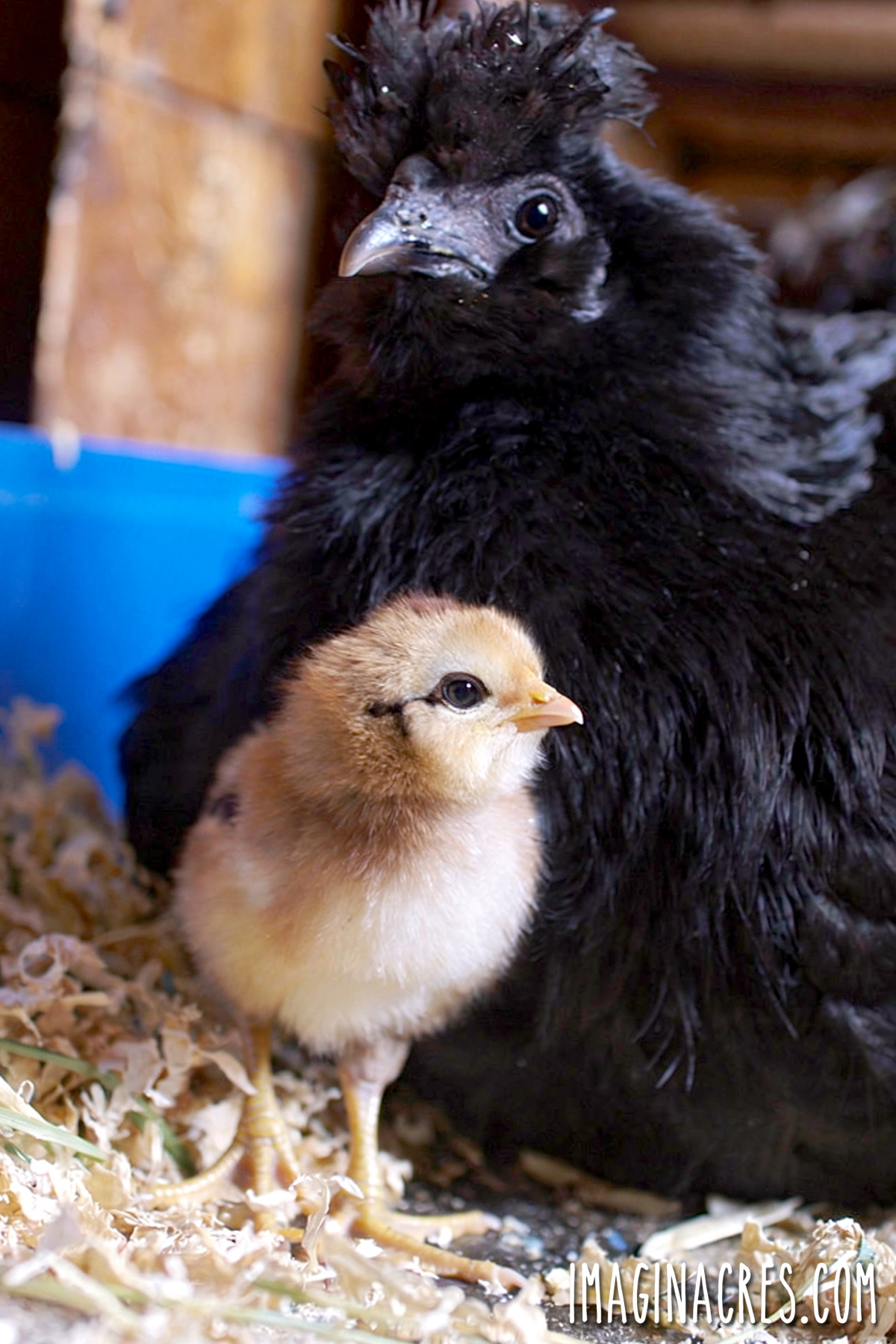
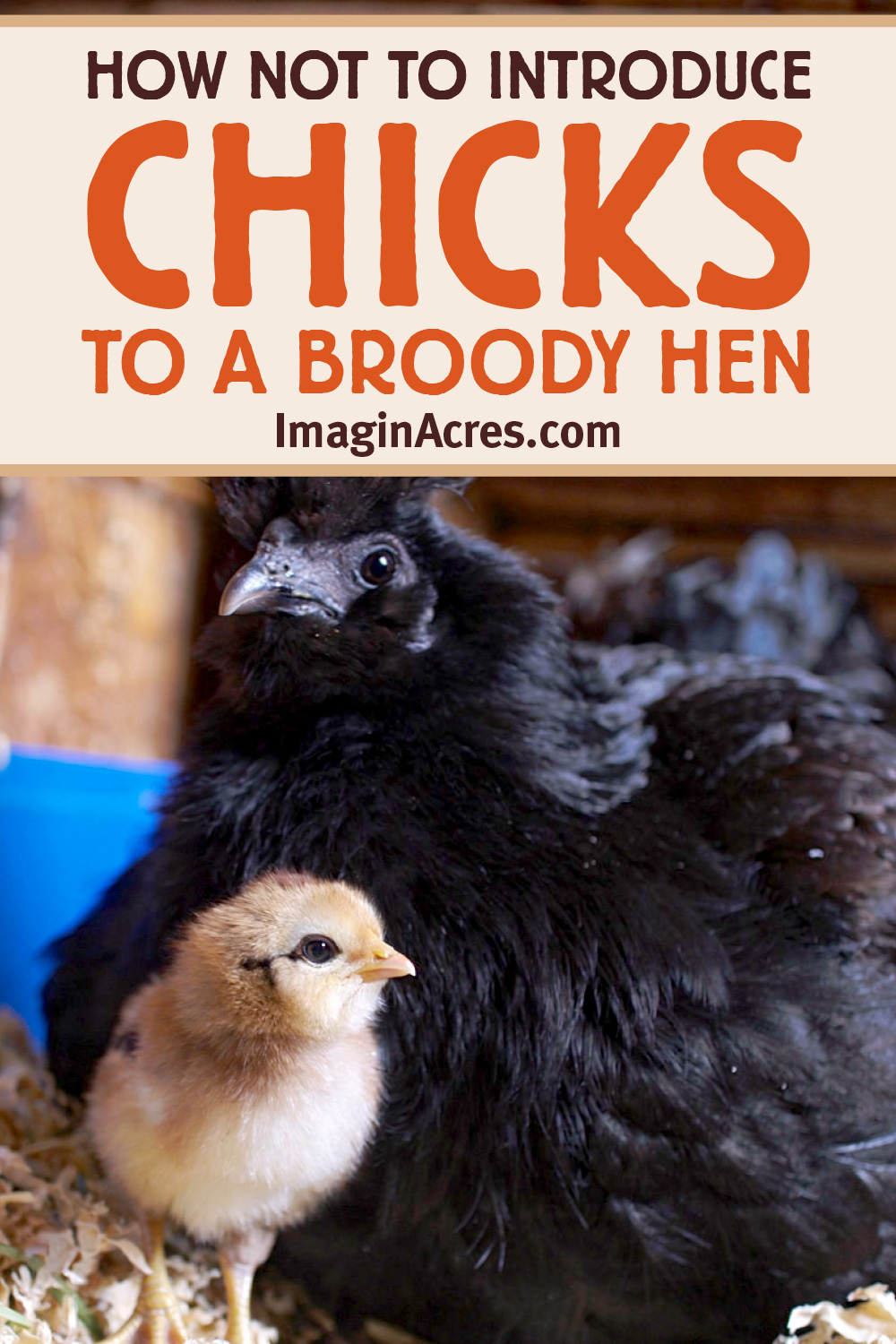
Chicks raised by a broody hen tend to integrate into the flock more easily and usually learn the finer points of chickendom far better than if a clumsy human is in charge. It’s really the ideal way to raise chicks. The tricky part is figuring out how to get a broody hen to accept chicks she didn’t hatch herself.
This is a real-life story from our coop about mistakes, midnight introductions, and an unexpected second mama. If you’re looking for a step-by-step guide, you can find it here: Introducing Chicks to a Broody Hen: A Safe, Step-by-Step Guide.

But if you needed reassurance that mistakes happen, and that success often comes after failure, this story is for you.
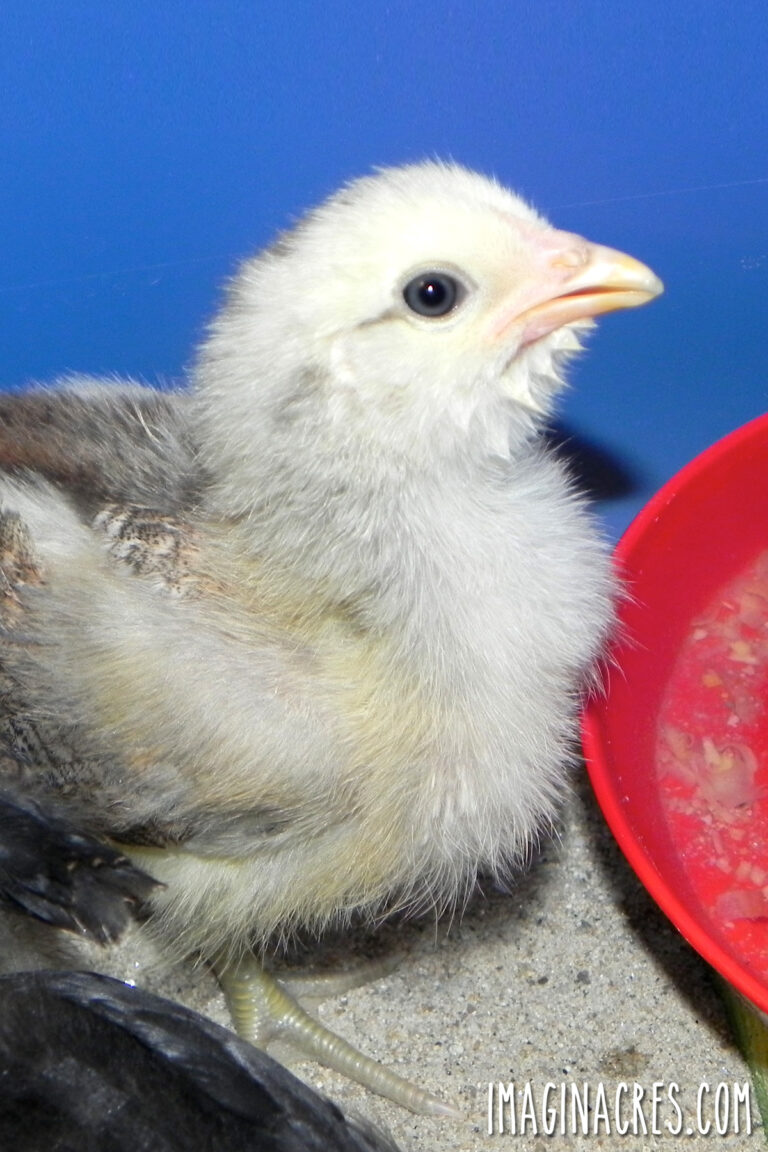
Four weeks ago, we brought home a fresh batch of fluffy baby chicks, six in total: five Easter Eggers and one Blue Laced Red Wyandotte. Based on past success, we knew the best way to raise them was to hand the job over to a broody hen while we sat back and relaxed.
What we didn’t know was just how not to go about it.
The Setup: Three Broody Hens and One Bad Idea
At the time, we had three broody hens in the coop. Two of them, Little Carl and Rosie, had been broody for nearly three months, and we were more than ready for that phase to end. I had heard stories of broody hens sharing the duties of raising chicks, so I confidently assumed we could simply hand the babies over and let the moms sort it out amongst themselves.
I was reminded within one minute that this was not the way to introduce chicks to a broody hen.
In my defense (because I clearly need one), we successfully hatched chicks earlier in the spring in an incubator and handed those day-old babies to our broody hen, Mokey. She accepted them instantly, clucking softly as they scurried under her wings. She raised them beautifully and then, as Silkies tend to do, promptly went broody again.
So naturally, I thought this new introduction would go just as smoothly.
It did not.
Introducing Chicks to a Broody Hen: The Very Wrong Way
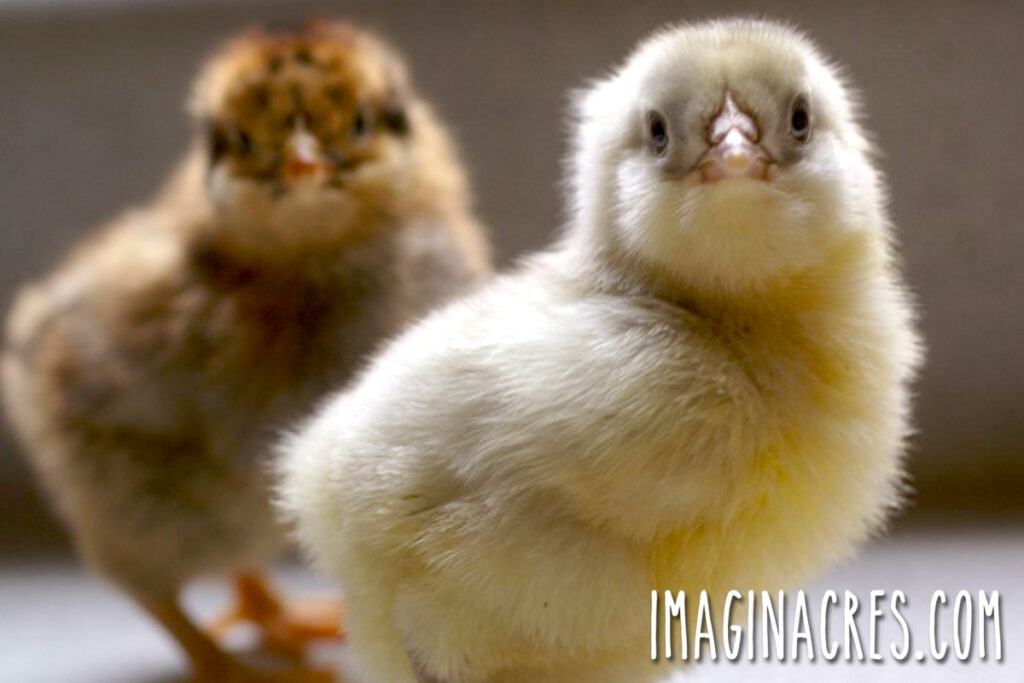
I carried the box of chicks into the coop to meet their three prospective mothers, fully expecting joy, excitement, and maybe even a celebratory parade.
Sometimes I forget that chickens are not people.
The hens stared at the chicks in stunned silence. One chick toddled up to Little Carl and peeped expectantly. Little Carl leaned back and gave her a look of pure disgust, a look I didn’t even know birds were capable of.
Another chick approached Mokey, who squawked angrily and turned her back on the orphan.
And then there was Rosie.
Rosie was offended. So offended, in fact, that she pecked one of the chicks right in the face.
That was my cue.
I scooped up the babies, returned them to their box, and carried them back inside. I was frustrated, discouraged, and feeling like I had just failed some very small, fluffy beings.
That night, I relayed the whole sad story to my husband: Rejected by not one, not two, but three potential moms. We talked through our options and decided to try again. This time, using only one hen we trusted, and doing it properly.
Under the cover of darkness.
Introducing Chicks to a Broody Hen: The Right Way
If you didn’t already know, chickens are remarkably easy to fool in the dark.
We chose Little Carl for our second attempt because she had raised chicks before and had been broody far longer than necessary. That night, while she was fast asleep, we brought her inside and settled her into a spare rabbit cage.
Once she was comfortable, we gently slipped the chicks under her one at a time.
Each time, she blinked groggily at us, clearly confused about how chicks were appearing without the usual egg-related process, but she didn’t object. Mostly, she just seemed bewildered.
We stayed up late, checking on them often. Everyone appeared content, though I noticed three chicks sleeping beside her instead of underneath her. I worried, but decided to let things be until morning.
That night, I barely slept. I dreamed vividly of returning to a scene of horror: chicks beaten to a pulp, their monstrous would-be mother standing over them like a victorious gladiator.
At first light, I bolted out of bed and rushed downstairs.
Morning Relief (and a Very Proud Mama)
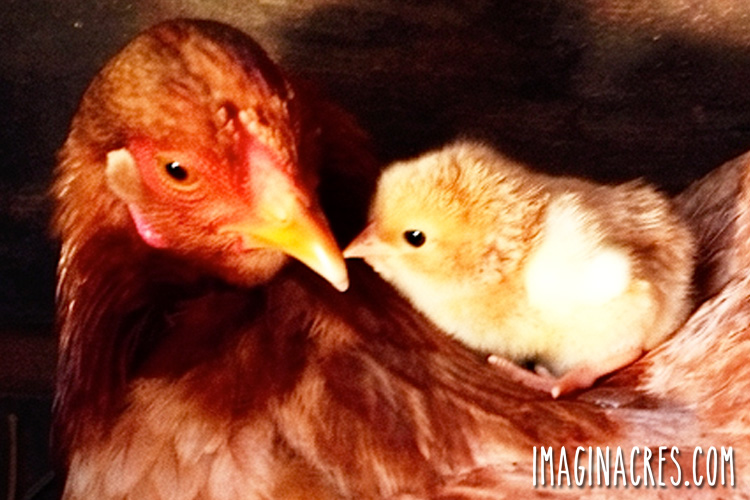
The babies were climbing all over their new mom, peeping happily and scurrying about. Little Carl looked perfectly content, proud, even, showing off her newly acquired family as if they had always been hers.
Once again, all was well in the world of chickens.
An Unexpected Twist: Two Moms Are Better Than One
Two weeks later, we moved Little Carl and the chicks outside to rejoin the flock. Rosie immediately stopped being broody (apparently her broodiness had been inspired entirely by Little Carl), but Mokey remained stubbornly glued to her nest.
I didn’t think much of it. Mokey had already rejected the chicks once, so I assumed she’d continue ignoring them.
I was wrong.
Every evening at precisely 7:00 p.m., Little Carl marched her babies into the coop for bedtime and settled down right next to Mokey. I checked on them nightly, trying not to worry.
The first night, all the chicks stayed under Little Carl.
The second night, one chick wedged itself between the two hens.
The third night, that same chick wriggled partly under Mokey’s wing.
Mokey looked disgusted, but she didn’t stop it.
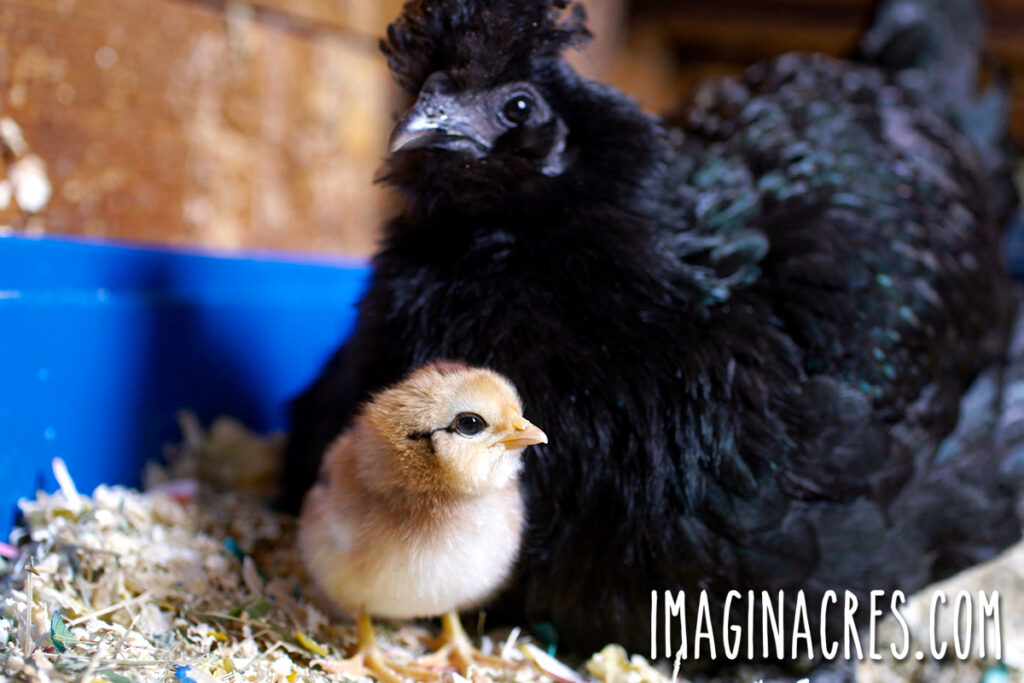
By the end of the week, half the chicks were sleeping under Mokey and half under Little Carl.
Just like that, Mokey snapped out of her broodiness and joined the family full-time. She followed the chicks during the day, called them over when she found food, and settled beside Little Carl every night to help keep them warm. She had quietly, completely adopted them.
Final Thoughts: Lessons from the Coop
This experience taught me more than any manual ever could.
I learned that:
- Daytime introductions can fail spectacularly.
- Darkness works wonders.
- Not every broody hen is ready, even if she thinks she is.
- And chickens will sometimes surprise you in the best possible ways.
If you’re looking for a clear, beginner-friendly guide that walks you through the safest way to introduce chicks to a broody hen, including timing, setup, and what to watch for, read Introducing Chicks to a Broody Hen: A Safe, Step-by-Step Guide.
Sometimes, the chickens know exactly what they’re doing… even when we don’t.
Want to see what life looked like after the chaos settled? Here’s a quiet look at Little Carl raising her chicks.
Related Reading:
- How to Hatch Eggs with a Broody Hen
- How to Raise Baby Chicks in a Brooder: The First 6 Weeks
- Incubator vs. Broody Hen: Chick Hatching Pros & Cons