
Incubator vs Broody Hen: Pros & Cons for Hatching Chicks
Wondering whether to hatch chicks with an incubator or a broody hen? Explore the benefits, challenges, and key differences of each method so you can choose the right approach for your flock.
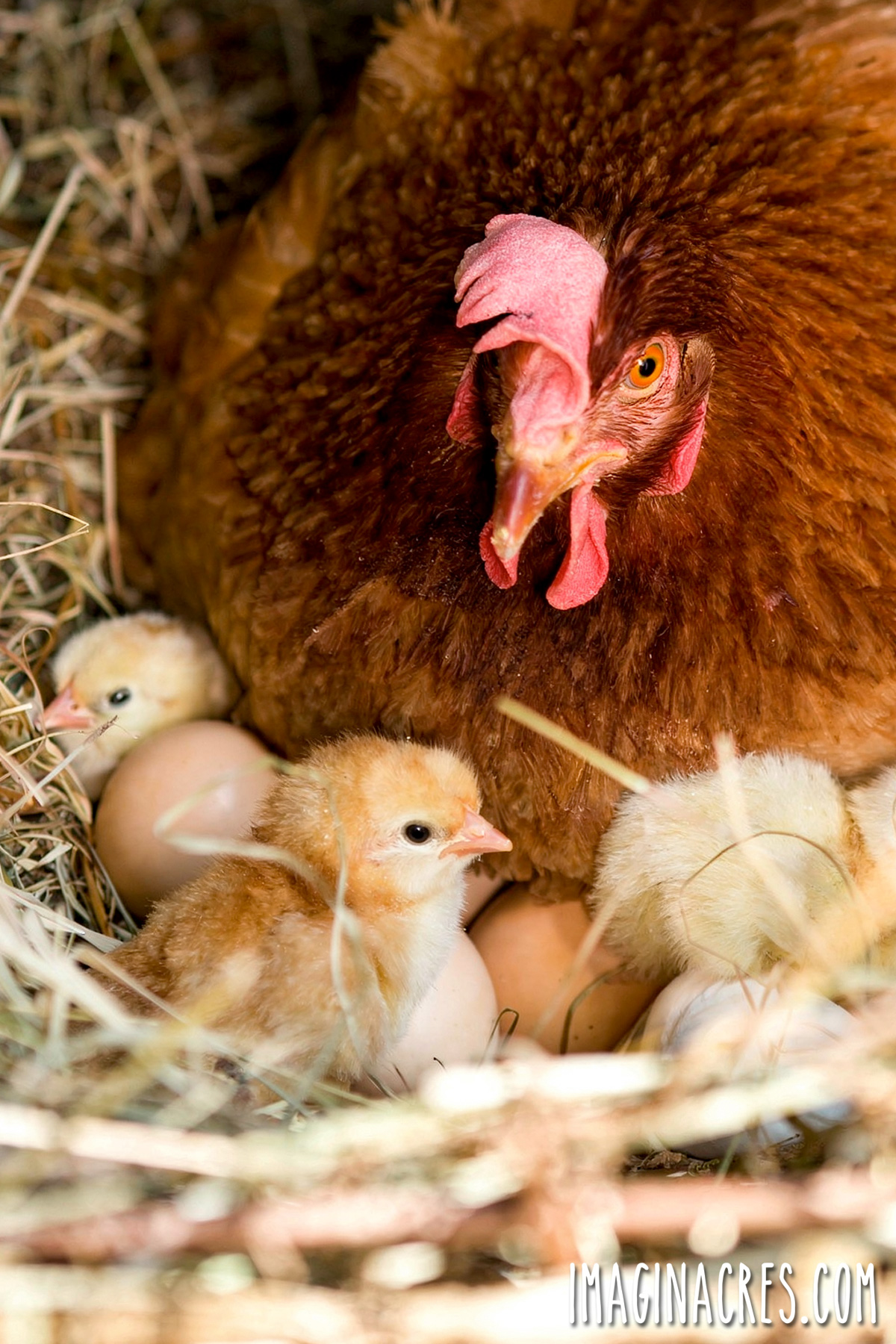
If you’ve been dreaming about fluffy new chicks peeping around your coop, you’re not alone. Spring seems to flip a switch for chicken keepers everywhere. Suddenly, we’re watching our hens a little more closely, wondering if one might go broody, or debating whether this is finally the year to buy an incubator.
Whether you hatch with the help of a mother hen or take the artificial route, bringing new life into the world is an incredible experience. But each method comes with very real differences in workload, results, and what you can expect during the hatch.
This guide walks you through the pros and cons of hatching chicks with a broody hen and hatching chicks in an incubator, so you can choose the approach that suits your flock, your schedule, and your chicken-keeping style.
Hatching Chicks in an Incubator
If you love projects, schedules, and precision, an incubator gives you full control over the hatch. It’s also ideal if you want to hatch larger batches, specific breeds, or eggs in seasons when hens aren’t broody.
But taking over nature’s job requires commitment and attention to detail. Here are the pros and cons of hatching chicks with an incubator.
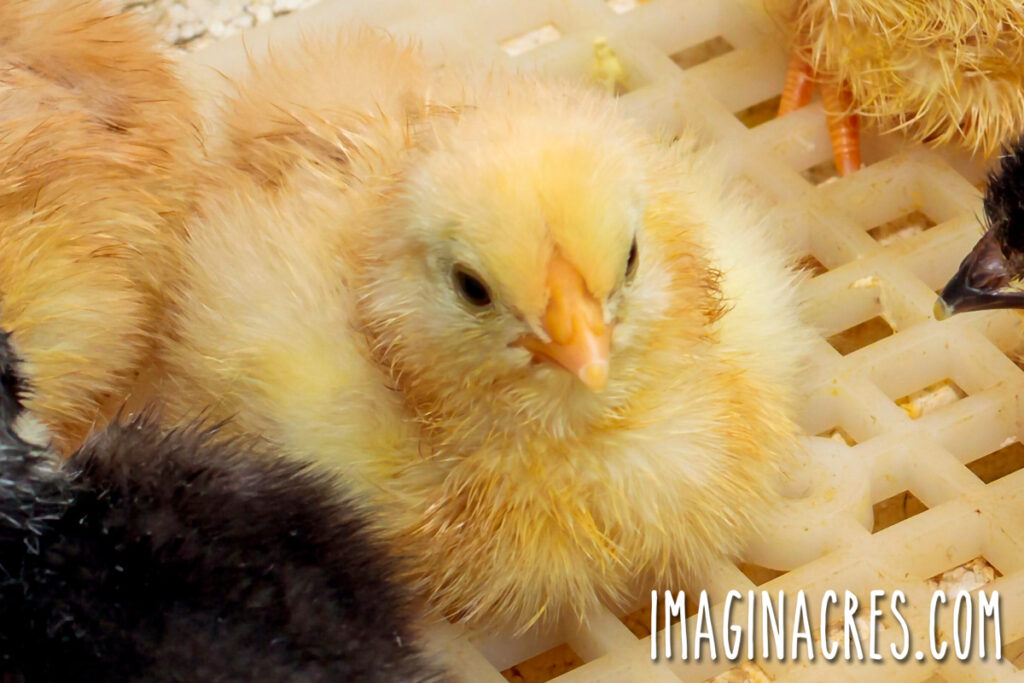
Pros of Using an Incubator
If you like the idea of predictable results, clear timelines, and full control over the hatching process, an incubator can feel like a dream come true.
Modern incubators take much of the guesswork out of incubation, helping beginners maintain the steady temperature and humidity that lead to higher, more consistent hatch rates.
They also give you a front-row seat to every stage of chick development, from the first candling to hatch day. Here are some of the biggest advantages of choosing this method.
Full control over the entire incubation process:
Temperature and humidity stay consistent. You set the turning schedule (or let an automatic turner do it). You decide exactly when the hatch begins.
Hatch any time of year:
When you’re dealing with a broody hen, you have to go by her cycle. Most hens go broody in the spring or summer, so that’s when you would hatch. With an incubator you can hatch chicks whenever you feel like it!
Ability to hatch many chicks at once:
Large incubators can hold plenty of eggs, hatching an abundance of baby chicks at once. This is perfect for big flock expansions.
Fantastic visibility:
You can candle easily, monitor growth, and witness the full “pip, zip, hatch” process. When chicks hatch in an incubator, you get to watch the entire process, and let me tell you, it’s incredible.
Very human-friendly chicks:
Chicks raised in a brooder bond quickly with people. As their adoptive mother, your chicks will rely on you for their every need, and they will adore you for all that you do for them. Chicks raised by people tend to be friendlier and are bonded to you from the start. If you love snuggly lap chickens, this method is for you.
Cons of Using an Incubator
As exciting as it is to be in charge of the entire hatching process, using an incubator also means taking on the responsibilities a mother hen would normally handle. From maintaining the perfect environment to troubleshooting equipment issues, incubator hatching can be rewarding.
But it isn’t without its challenges. Here are some things to keep in mind before you plug in the machine.
It’s a lot of responsibility:
You are now “Mother Hen.” The hatch is in your hands, which means you have to monitor temperature and humidity constantly. The eggs need to be turned at least three times a day. You must make sure no bacteria gets inside the incubator. You need to figure out which eggs are viable and which aren’t, something that can be difficult for a human but is instinct for a bird. There are so many rules, and not following them can lead to loss.
Dependent on electricity and equipment:
A power outage or incubator malfunction can jeopardize the entire hatch. If one of these two things happens halfway through your hatch, what are you going to do?
Upfront cost can be significant:
Incubators range widely in price, and beginner-friendly models with automatic turners, steady temperature control, and reliable humidity management can be an investment. While a good incubator can last for years, the initial cost is something to consider, especially if you only plan to hatch a small number of chicks.
We borrowed an incubator from friends for several years before investing in our own incubator.
Brooder care is required afterward:
Chicks hatched in an incubator depend entirely on you once they leave the shell, and caring for them in a brooder is a hands-on job. You’ll need to keep their environment warm and draft-free, feed and water them several times a day, and clean up their poop several times a day. The dust they generate is relentless, so expect to wipe down surfaces often.
Day-old chicks need help learning the basics:
You’ll have to dip their beaks in water to show them how to drink, and check their little bottoms regularly for pasty butt. For the first week, they should be on bedding they can’t mistake for food, which means choosing materials carefully. Chicks are sweet, needy little creatures, and when they’re brooder-raised, every one of their needs falls on you.
More mess and dust indoors:
Chicks may be adorable, but they produce shocking amounts of dust. Be prepared for frequent cleaning.
Hatching Chicks With a Broody Hen
There’s something magical about watching a determined hen fluff up, settle into a nest, and decide she’s ready for motherhood. A good broody hen is nature’s perfect incubator: warm, attentive, and astonishingly consistent.
But a broody hen hatching chicks isn’t always as simple as it seems. Let’s look at the ups and downs.
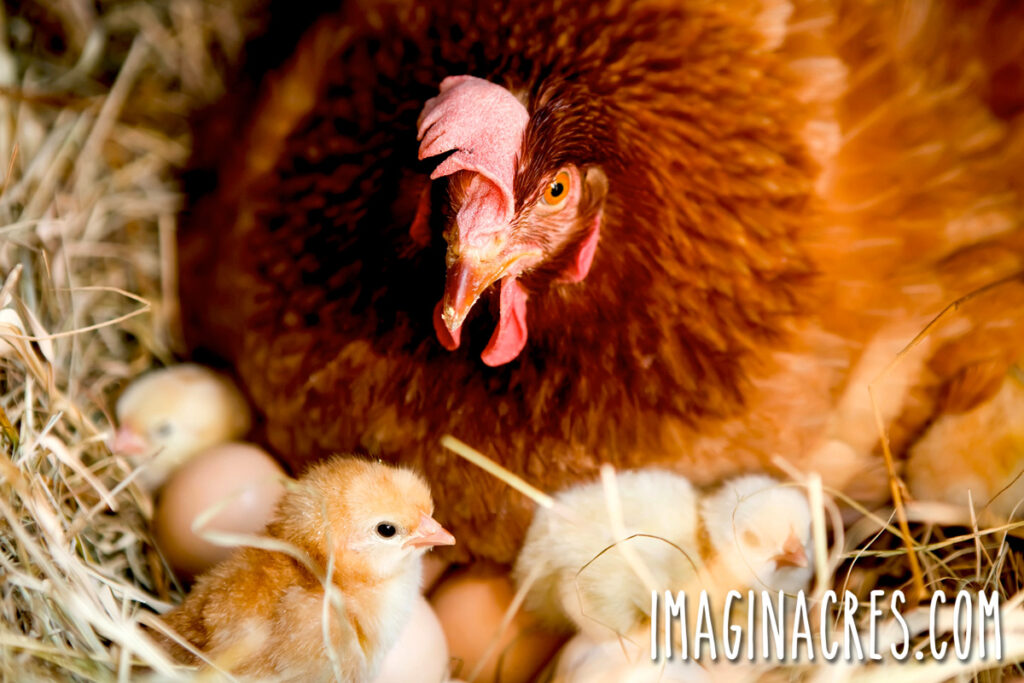
Pros of Using a Broody Hen
Long before incubators were even imagined, hens were hatching and raising chicks all on their own, and many still do an incredible job of it today. A devoted broody hen is nature’s built-in incubator, and when she commits to the nest, she can make the entire process surprisingly easy on you. Here are some of the biggest advantages of letting a mother hen take the lead.
It’s the most natural way to hatch chicks:
If you’re drawn to the homestead lifestyle because you enjoy working with nature, this method is as classic as it gets. The hen controls temperature, humidity, turning, bonding, and everything she was designed to do.
Built-in flock integration:
Chicks raised by a broody hen are accepted into the flock from day one. They have their mother’s protection at all times, even when you’re at work or asleep. No slow introductions. No stress over bullying. Mama hen handles it!
She teaches the chicks everything:
Watching a mother hen care for chicks is so much fun. Seeing her demonstrate how to properly take a dust bath and teaching them all about scratching, foraging, and predator awareness. Broody-raised chicks have an excellent head start because they learn directly from their mother.
No brooder required:
Forget heat lamps, dust everywhere, and daily cleaning. Chicks stay with mom, cozy and safe under her feathers.
Much less work for you:
A reliable broody does it all: warming, turning, protecting, guiding, feeding. You simply provide food, water, and a safe space.
Cons of Using a Broody Hen
As wonderful as a broody hen can be, relying on nature also means giving up a bit of control. Not every hen is a perfect mother, and even experienced broodies can surprise you with unpredictable behavior. Before you commit a clutch of eggs to her care, it’s helpful to understand the potential challenges that come with letting a hen handle the hatch.
You can’t schedule broodiness:
Timing can be tricky. This is the biggest drawback. Your hen may not go broody when you need her to, or you may not have fertile eggs when your hen goes broody.
Everything has to work out just right, and it’s mostly out of your control. A hen goes broody when she decides to, not when you want chicks. You may wait all season for the right hen to commit.
Limited clutch size:
A broody hen will hatch a small number of eggs. Most hens can comfortably cover 6–12 eggs depending on size. If you want a large batch of chicks, a broody may not meet your needs.
Some hens abandon the nest:
Yes, even halfway through incubation. Or they may push eggs out, break a few, or become overwhelmed after the hatch.
You have no control over the broody hen’s decisions. Broody hens will occasionally push an egg out of the nest (they usually have good reason) or desert the nest after a few chicks have hatched. This is usually because those eggs aren’t viable, but if you’re a helicopter mom type and don’t trust others to do a good job, this method might not be right for you.
Hard to see what’s happening under her:
Candling broody-hen eggs is tricky and often stressful for both of you. As hatch day approaches, you’re basically waiting for peeping to begin.
It’s very hard to tell what’s going on while your eggs are buried under your hen’s fluffy butt. You can’t pick her up or move the eggs without risking the hatch, so you just have to patiently wait for peeping, fluffy chicks to emerge. This is very difficult for impatient people.
Not risk-free:
Predators, accidents, flock bullying, or a fall from the nest are all possibilities. If you’re a worrier, all of these what-ifs could drive you to insanity. It’s hard not being in control. These dangers are all unlikely to actually happen, but the possibility might drive you nuts. Most broody hatches go smoothly, but worriers may find the lack of control unsettling.
How to Choose the Best Method for Your Flock
With two very different ways to hatch chicks, it can be tough to know which one is right for you, especially if you’re new to chicken keeping. The good news is that both broody hens and incubators can lead to healthy, happy chicks.
The key is choosing the method that fits your flock, your schedule, and the level of hands-on involvement you’re comfortable with.
Here are a few questions to help you decide. Ask yourself:
- Do you want nature to do most of the work? Choose a broody hen.
- Do you want predictable timing? Choose an incubator.
- Do you need a large batch of chicks? Incubator.
- Do you prefer chicks bonded to people? Incubator.
- Do you love the idea of mama-hen-raised chicks learning naturally? Broody hen.
- Do you already have a hen who refuses to get off the nest? Congratulations, you’ve been chosen! A broody is the easiest solution.
- Do you want chicks outside of spring? Incubator is the better choice.
There’s no wrong answer here, just different experiences.
Choose the Method That Fits You Best
And there you have it, incubator versus broody hen, the whole run-down. I hope this list will help those of you on the fence or simply educate those of you interested in hatching chicks. Hatching chicks is wonderful fun, and no matter which choice you make, you’re going to love it!
Whether you choose the natural route with a broody hen or the hands-on adventure of an incubator hatch, welcoming new chicks into your flock is pure magic. Both methods work beautifully; they just offer different experiences, levels of involvement, and rewards.
The real question is: Do you want to sip coffee while your hen handles everything… or do you want to be in the middle of the action, cheering your incubator chicks through hatch day?
Whichever path you choose, enjoy every moment. There’s nothing quite like the joy of hearing that first tiny peep.




great Article! I love it when the hen raise the babies – so much easier & it is so much fun to watch them!
I have to disagree here “Less Friendly Birds” It depends on the “mom”, we have hens they don’t care when we touch the babies ( they are cool with that and the baby learns that too 🙂 ) but they protecting the babies from the other chickens 🙂
I have to disagree about broody chicks not being as friendly as well. Think that depends more on the broody you choose. Ours never growls at us and would call the chicks over to eat out of our hands. They happily climb over us when we sit on the ground. Our incubated chicks we bought at 3 weeks were far less friendly.
If you have a broody who growls at you though then I would imagine it’s going to teach it’s chicks to be wary and skittish. So it’s about choosing the right broody.
It is pretty easy to have friendly hen raised chicks. Just bring them treats when ever you go out to see them. Soon they will run up to you every time they see you, even if mom is not impressed. I have 26 chicks right now with 3 hens. I have to watch my step in the orchard where they live.
That’s a great idea! I do know that chicks raised by broodies can be friendly if you put in the extra effort. We tend to leave ours be as it upsets the broodies if we interact too much with the babies.