When Can Chicks Go Outside? How to Transition Chicks to the Coop
Learn when chicks can go outside, how to transition them safely to the coop, and what weather, feathering, and predator-proofing steps to follow.
Baby chicks grow fast. One minute they’re fuzzy little marshmallows, and the next they’re sprouting wings, jumping onto feeders, and giving you the “I think we’re ready for the outside world now” look. But when is it actually safe to take them outdoors?And how do you get them from a warm indoor brooder to the big, breezy, slightly terrifying world of the coop?
After raising many batches of chicks (including a few rebellious escape artists who absolutely thought they were ready before they were), here’s everything I’ve learned about transitioning chicks safely from brooder to coop, including the ideal age, weather requirements, gradual introductions, and how to keep predators away from your tender little feather-nuggets.
How to Know When Chicks Can Go Outside
Around the five- to seven-week mark, most chick-keepers start asking the same question: Is it finally time for these little rascals to move outside?
And honestly? You’ll probably feel the answer long before you Google it.
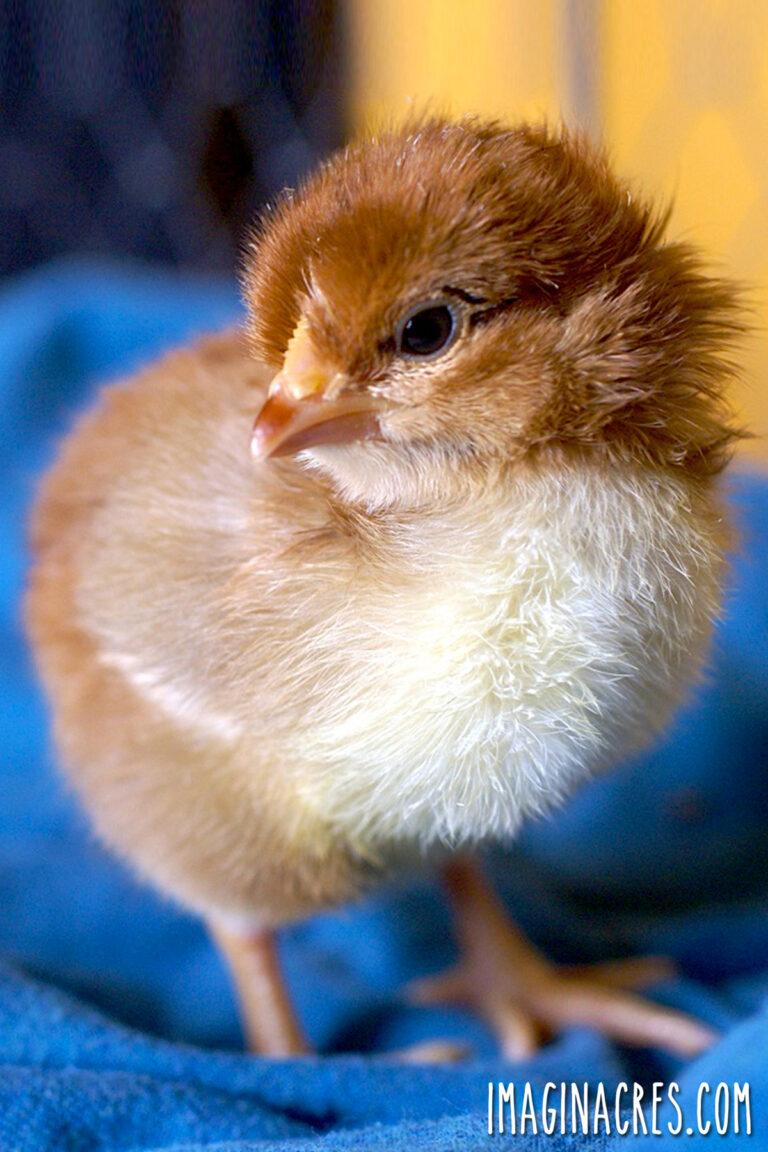
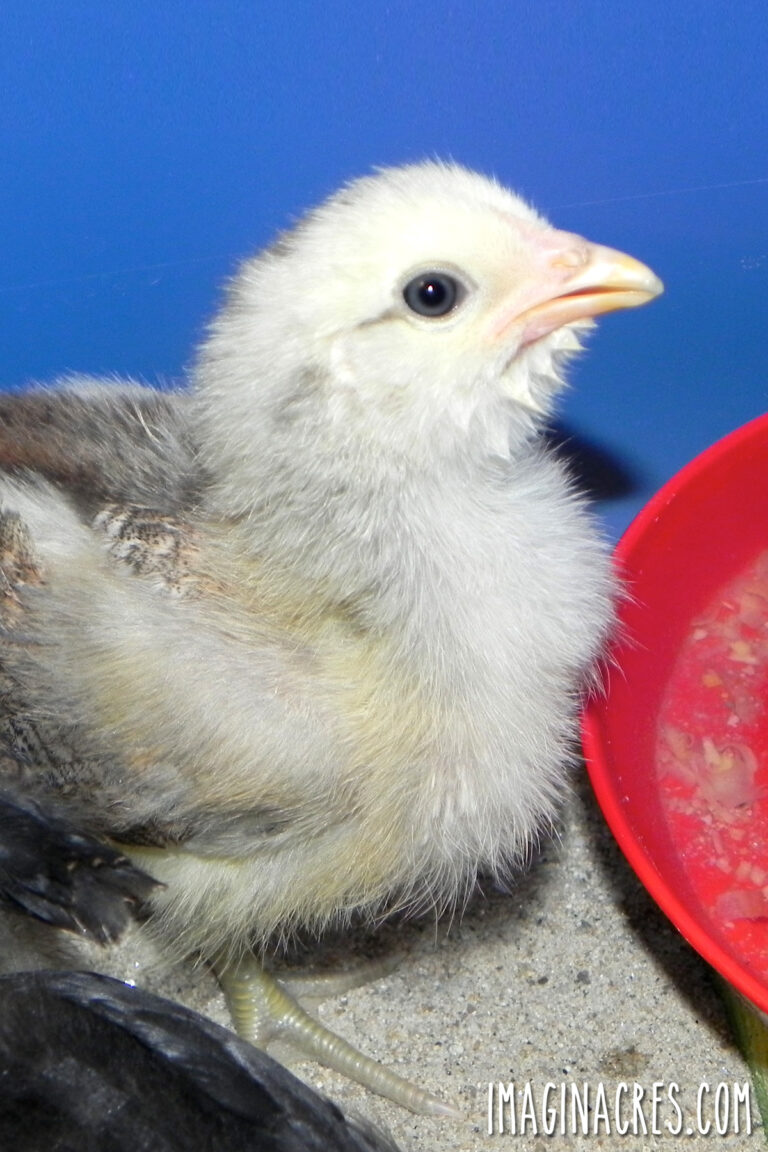
By this stage, your adorable fluffballs have transformed from tiny chicks into half-feathered mini-dinosaurs who are outgrowing their brooder at an alarming rate. They’re eating more, pooping more, flapping more, and kicking shavings everywhere.
The once-neat brooder is suddenly harder to keep clean, and no matter how many times you wipe surfaces, a fine layer of chick dust coats your entire life. When the dust starts drifting into rooms you don’t brood chicks in, that’s usually your first hint that transition time is coming.
But space (and dust!) aren’t the only factors. Safety, weather, age, and feather development all play a role.
Here’s how to know for sure when your chicks are ready to head outdoors confidently, safely, and without stressing them out.
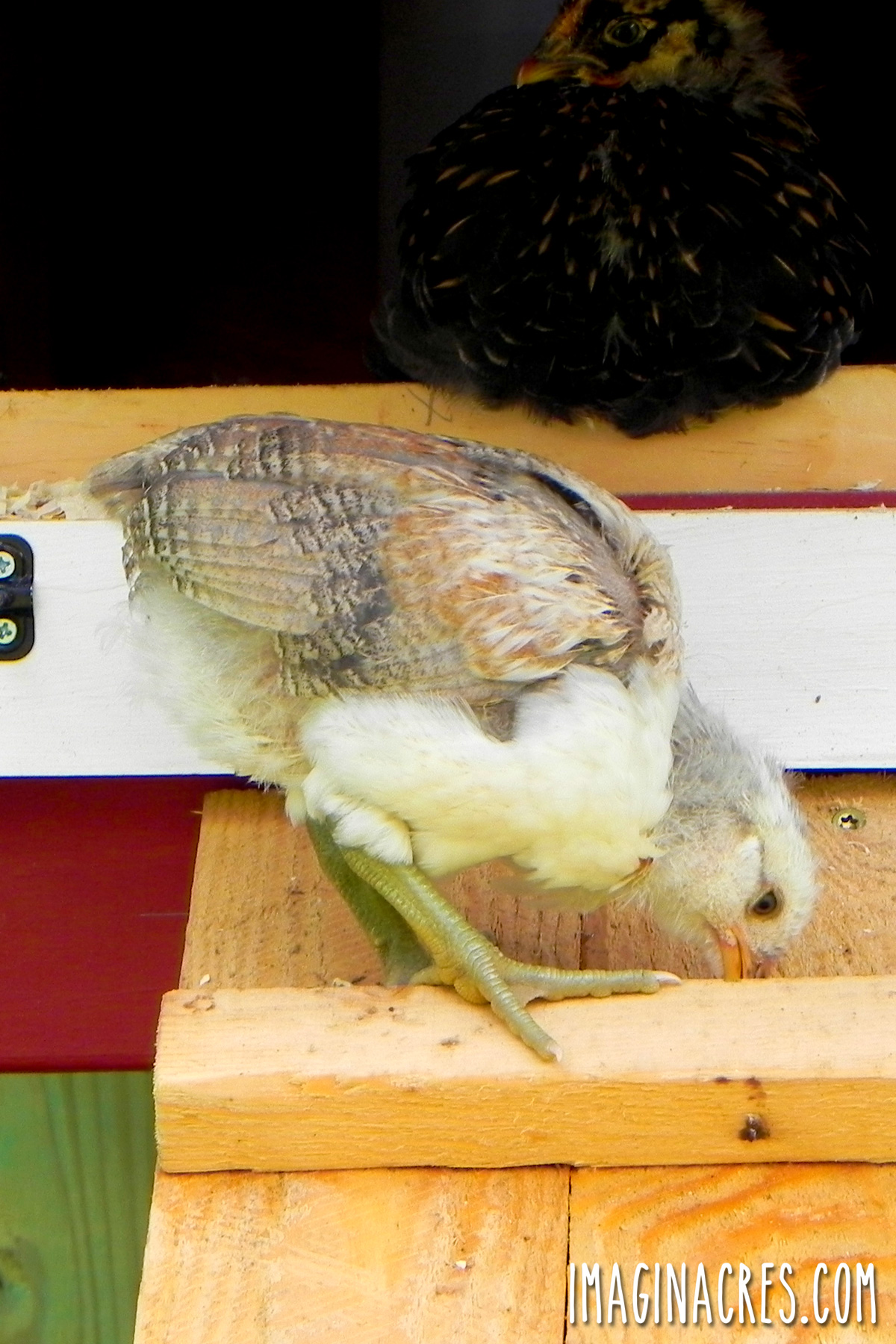
They Must Be Fully Feathered (Usually 5–7 Weeks)
Before we talk about temperatures, predator safety, or cozy nighttime routines, this is the big milestone that matters most. No matter how brave, bold, or bossy your chicks act, they cannot handle outdoor life safely until their fluff has been replaced with real feathers.
Now let’s take a closer look at what “fully feathered” really means, and why it’s your number one green light for outdoor adventures.
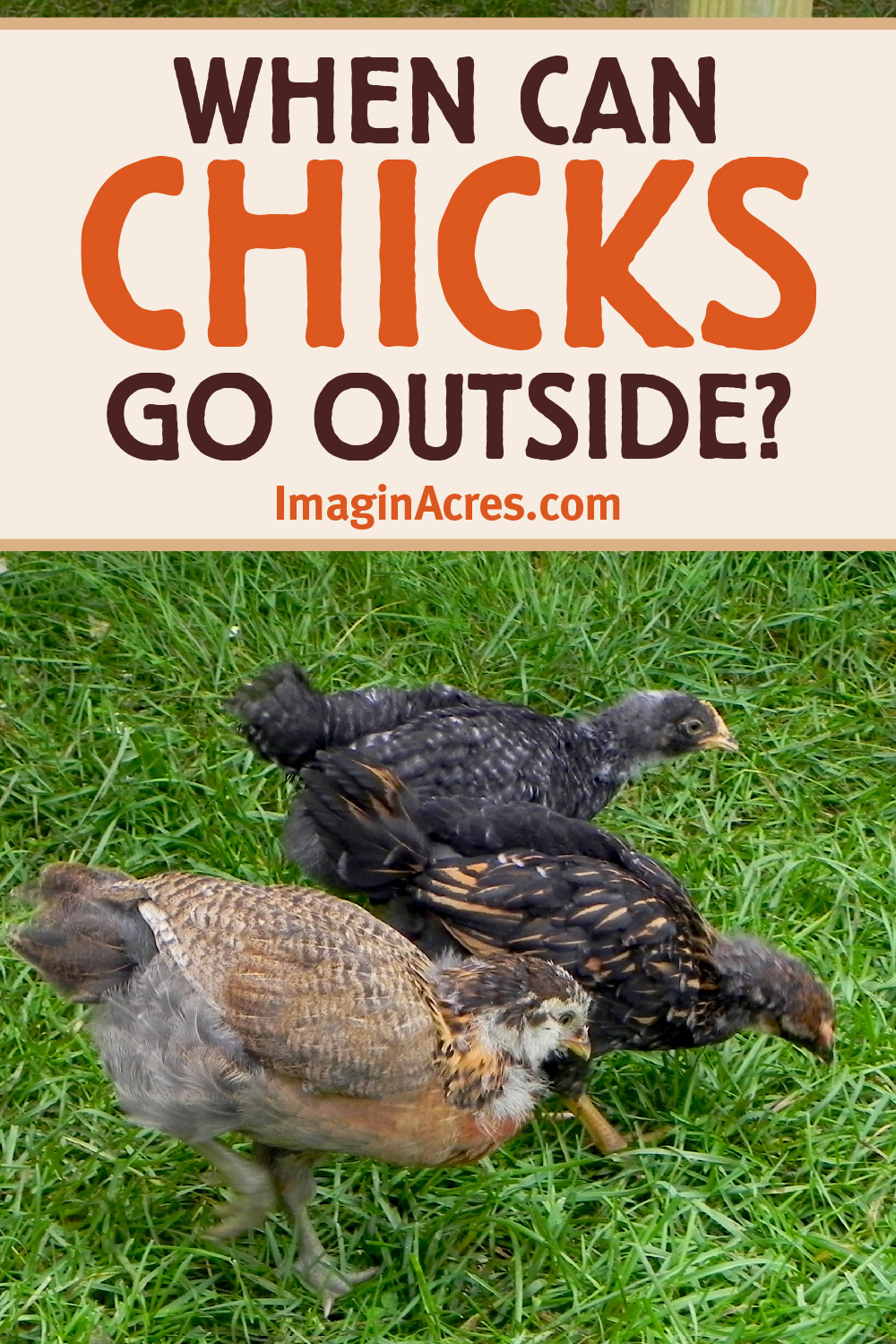
Chicks can go outside when they have a full coat of feathers, not fluff.
- Fully feathered chicks can:
- Regulate their own body temperature.
- Handle normal spring and summer weather.
- Sleep without supplemental heat.
Most chicks feather out between 5–7 weeks of age, although some slower-feathering breeds take their sweet time.
And in every batch, I swear I have one chick determined to stay fuzzy forever. There’s always that last little fluffball still rocking the cotton bloomers look while the rest are halfway to looking like tiny velociraptors. Give them a few extra days. Chick peer pressure does NOT speed up feather growth.
The Weather Must Be Safe for Young Chicks
Even fully feathered chicks still have limits, and weather is often the deciding factor in whether they can sleep outdoors or need a little more time inside. Spring can be unpredictable with warm sunshine at noon, bone-chilling wind by dinner, and a surprise cold snap the next morning to keep everyone humble. Here’s what your chicks need for safe outdoor time:
Ideal Temperatures
- Daytime: at least 60–70°F with no harsh wind.
- Nighttime: consistently above 50–55°F.
- No freezing temps, no heavy rain, no wild temperature swings.
Chicks can handle cooler temperatures as they grow, but sudden drops can stress their bodies and increase the risk of pasty butt, respiratory issues, and huddling pile-ups.
Shelter From Wind and Rain
Chicks lose body heat fast if they get wet or chilled. Their outdoor space should have:
- A dry, draft-free shelter.
- Solid walls or windbreak.
- A fully covered roof or tarp.
- Bedding or dry ground underfoot.
Think of it like sending a toddler outside: If the weather screams grab a jacket, your chicks probably need extra protection too.
Watch the Weather Like a Hawk
I’ve had chicks go outside at 5 weeks during a warm spell, only to bring them back inside for a couple of nights because spring decided to act like winter again.
Flexibility is part of chicken-keeping life. Wait a little longer if bad weather is predicted.
If the Weather Is Unpredictable Give Them:
- A heat plate in the grow-out coop.
- A backup plan to bring them in during cold weather or storms.
- A warmer transition period with shorter outdoor sessions first.
Better safe than sorry. Chicks are hardy once they acclimate, but that window between 5–7 weeks is still a little fragile.
Your Coop and Run Must Be Predator-Proof
Even the bravest six-week-old chick can be alarmed by a rustling leaf, and to be honest, they have good reason to be cautious. As soon as your birds are outside, all sorts of predators take notice. Hawks start circling overhead, neighborhood cats suddenly assume their roles as mighty hunters, and raccoons… well, raccoons are essentially furry burglars with thumbs, capable of opening locks.
Before your chicks spend any real time outdoors, your setup needs to be truly predator-proof.
A safe coop and run should include:
- Hardware cloth, not chicken wire: Chicken wire keeps chickens in, not predators out. Use 1/2-inch hardware cloth for the coop windows, vents, and the run. Any gap is an invitation for weasels, snakes, and other sneaky opportunists. Learn more: Securing Your Chicken Pen.
- Buried or apron-style fencing: Many predators dig. Add a buried barrier or a hardware-cloth apron around the perimeter.
- A solid, lockable door: Raccoons can open simple latches. Use predator-proof locks or carabiners.
- A covered run or overhead protection: Hawks love young pullets. A covered run (roofed or hardware cloth-covered with a tarp) keeps aerial predators out.
- Nighttime security: Even if your chicks only go out part of the day, predators will test the structure at night. Make sure everything is secure long before bedtime.
Think of predator protection as building Fort Knox for tiny feathered toddlers. It’s always better to overbuild now than find a weak spot later.
Once your coop and run are truly secure, then you can start thinking about letting your young flock explore safely.
They Should Be Acclimated Gradually
Even if your chicks are fully feathered and the coop is ready, don’t stick them outside for a full day right away. Think of this as their outdoor orientation week. They’ve spent their whole lives in a warm, cozy brooder with unlimited snacks and zero wind. Heading outdoors is a big sensory upgrade.
A gradual transition helps them adjust to:
- New temperatures.
- Sunlight.
- New sounds (wind, birds, rustling leaves, and neighborhood drama).
- New smells.
- An environment that feels much bigger than their brooder.
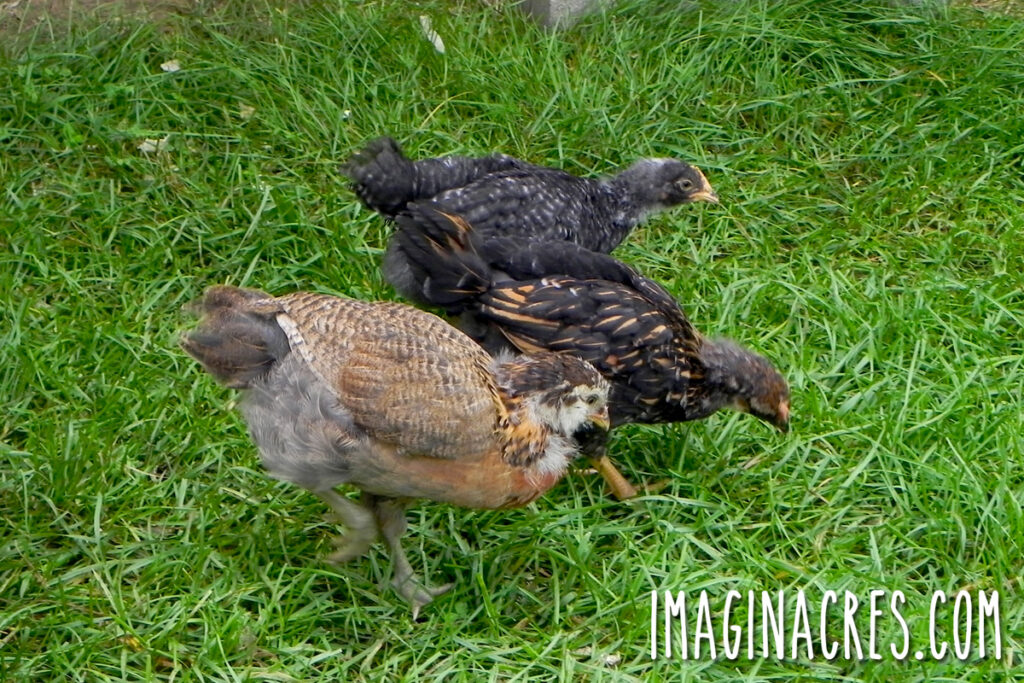
Start with short, supervised outings in a secure, predator-proof pen during mild weather. Ten minutes the first day, fifteen the next, then slowly work up to longer stretches. Let them explore, scratch, peck at grass, and practice being real chickens while you stay nearby to keep an eye out.
Watch their body language:
- Confident exploring: They’re doing great.
- Huddling or peeping loudly: They’re getting cold or overwhelmed with their surroundings. Bring them back in.
- Trying to helicopter-launch over your head: Congratulations, they have fully discovered their wings.
As they grow braver and settle more easily, increase their outside time. After a week or so of daily outings, most chicks are ready for several hours outdoors, then full days, and finally overnight when conditions and feathering allow.
Think of it as chick kindergarten. They need a little warm hand-holding at first, then they’ll surprise you with how quickly they adapt once they feel safe and confident.
How to Transition Chicks to the Coop
Moving chicks from their cozy indoor brooder to their first chicken coop is a milestone, and usually the moment you realize just how extremely dusty your house has become. By this point, your chicks are flapping everywhere, kicking shavings out of the brooder like they’re redecorating, and acting personally offended that their tiny indoor world has boundaries.
This transition doesn’t have to be stressful for you or your flock. With a little preparation and slow, steady steps, your chicks will adjust quickly and confidently to life in their outdoor home.
Below are the four steps I follow every time I move a new batch outside.
Step 1: Prepare the Chicken Coop
Before the chicks move out, they need a space that feels safe, familiar, and not overwhelmingly large. If you’re starting with a brand new coop, temporarily block off the nesting boxes. Additionally, consider sectioning off part of the coop at first and then gradually expanding the space as the flock adjusts.
If you already have an established flock, a separate grow-out coop gives them the starter home they need before graduating to the main flock.
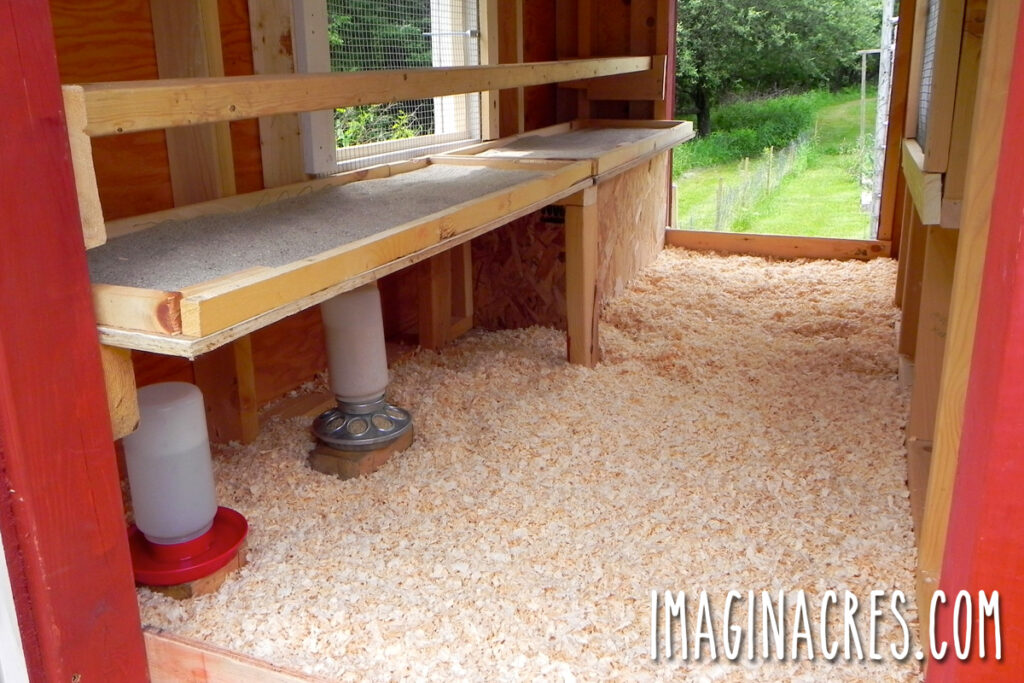
A good setup includes:
- A predator-proof coop layered with fresh bedding.
- Low perches or mini roosting bars.
- Familiar items from their brooder (their little roosting stick, their feeder, even the same waterer).
- A secure, predator-proof run.
- Wind-sheltered corners where chicks can hide if nervous.
Chicks sleep much better when their new coop has elements that feel familiar. A few recognizable comfort items help them settle in without the panicky pacing that sometimes happens the first night.
Step 2: Move Them at Dusk
Chicks settle best when they’re already in bedtime mode, which is why dusk is the perfect moment to move them to their new digs. They’re sleepy, calm, and much more willing to accept whatever you’re doing as part of the normal routine.
At dusk:
- Carry the chicks in their brooder out to their grow-out coop (or place them securely in a covered box).
- Place them gently onto the roost or bedding.
- Keep the lights low or off to keep them relaxed.
- Close the coop door and let them fall asleep.
By morning, they wake up thinking, “Ah, yes, this is where we live now.” No drama. No confusion. No one screaming into the void at 2 a.m. It’s magic.
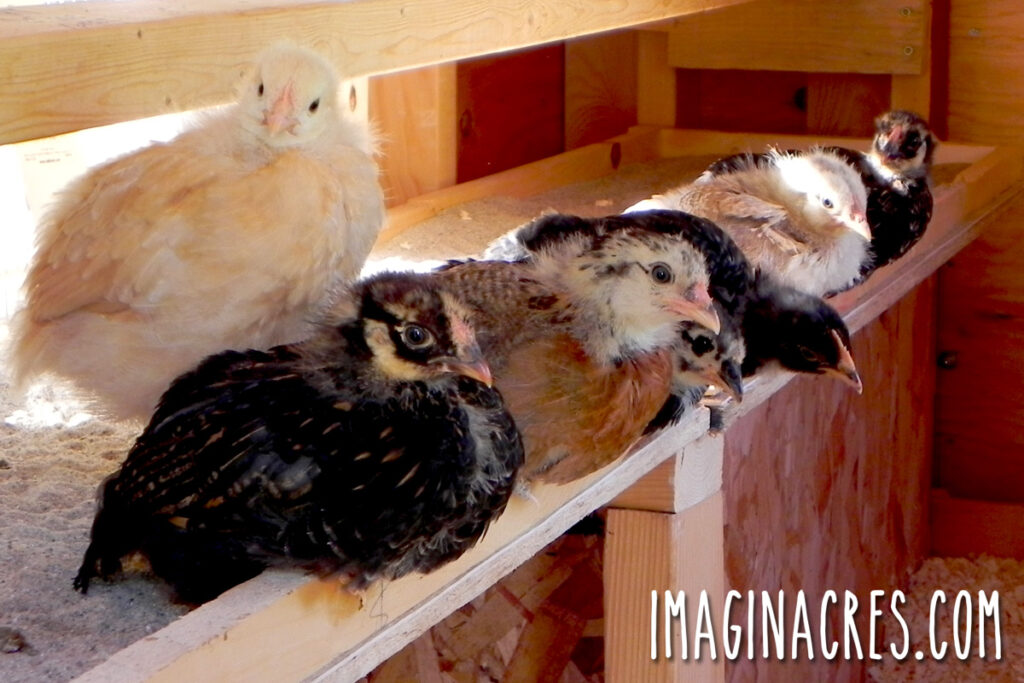
Step 3: Teach Them the Coop Is Home
Chicks need a little time to learn that the coop is their new home, where they sleep, eat, and return to at night. For the first 48 hours, keep them inside the coop.
This helps them:
- Learn where to find food and water.
- Understand where to roost at bedtime.
- Build a sense of safety in the space.
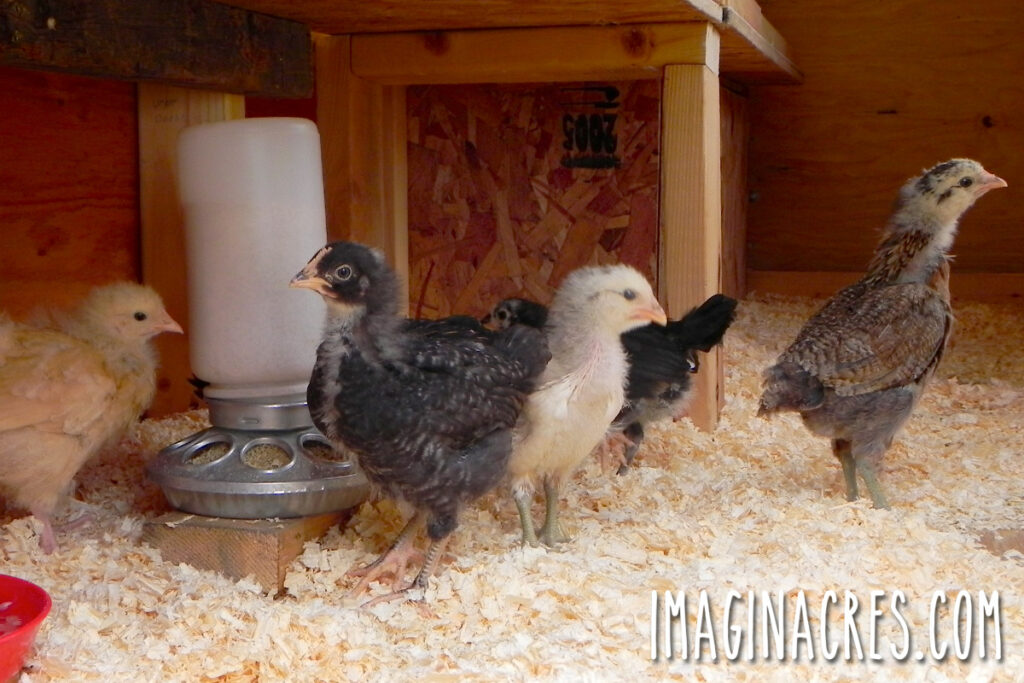
Step 4: Let Them Explore the Run
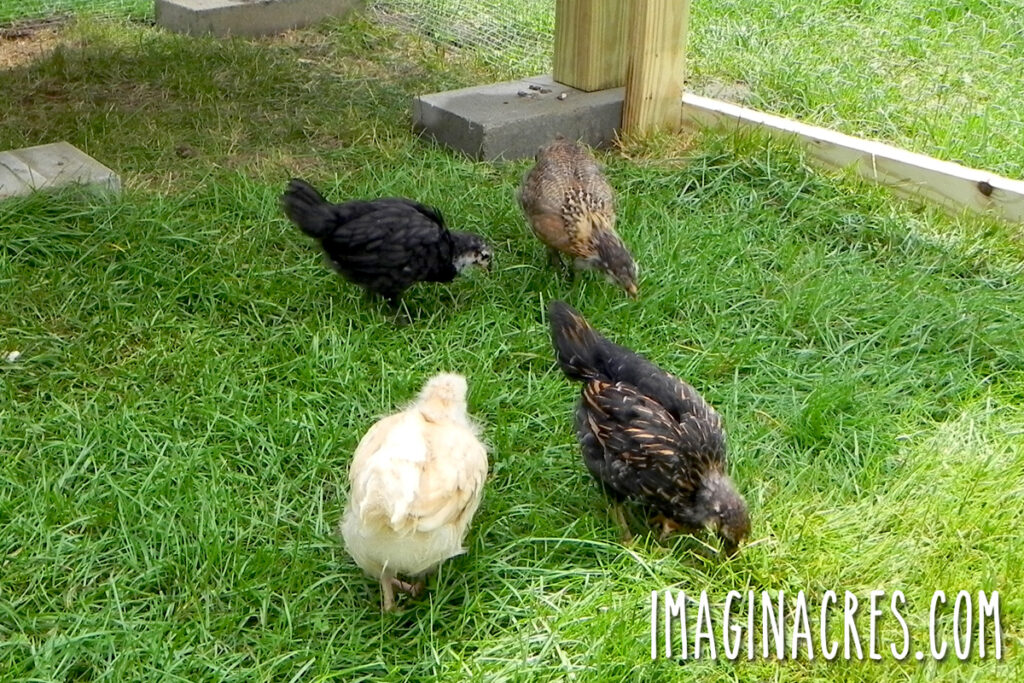
By day three, if the weather is safe and your chicks are fully feathered, you can open the coop door and let them explore their run for short daytime sessions.
The first time your chicks step out of the coop and into their run, their excitement is usually matched by total confusion. First, they don’t understand how doors or ramps work, and the overall space outside can be overwhelming. So they may hang out at the coop door for a while before stepping outside.
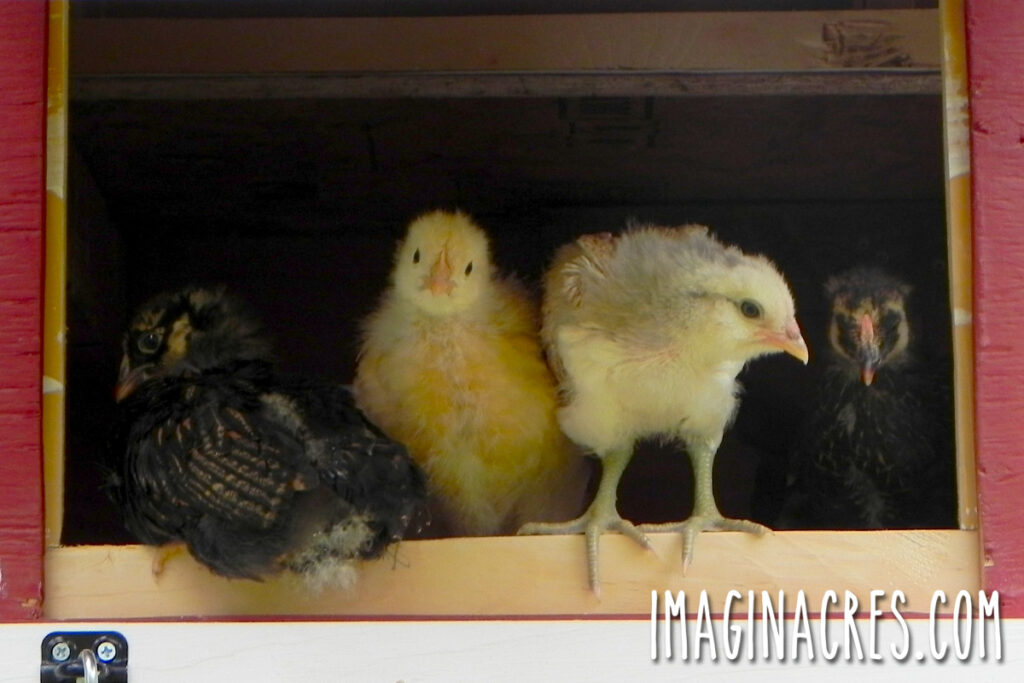
Once one brave chick hops out, the rest usually follow. Some confidently, others with cautious little steps. It’s a big moment for them. The world is suddenly larger, brighter, and full of new smells and sounds.
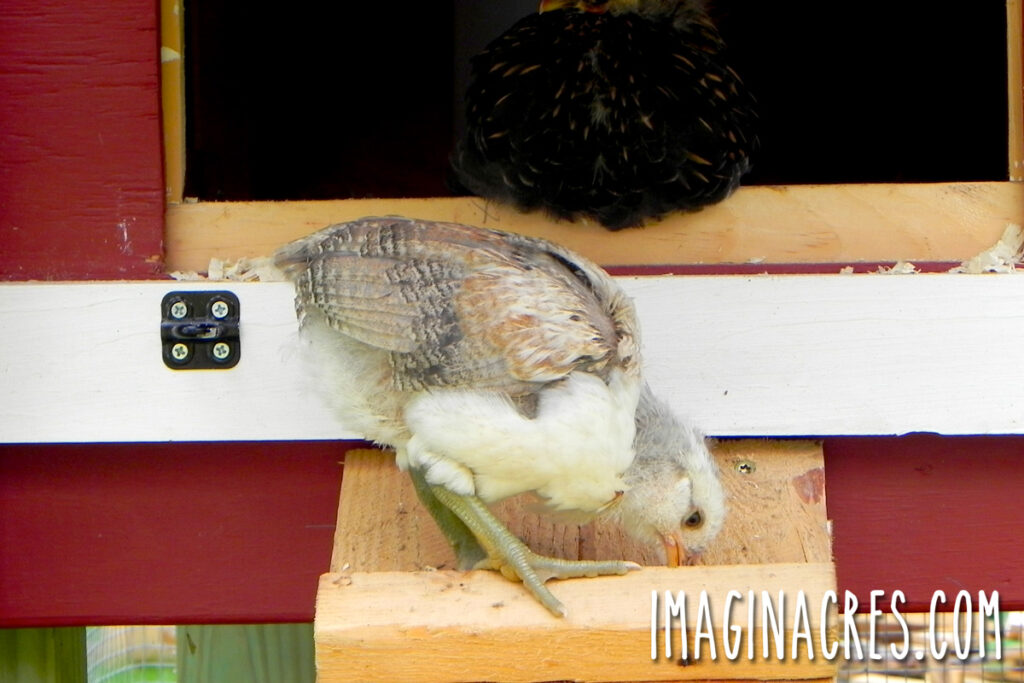
Their confidence grows a little more each minute, especially once they realize they can flap those new feathers, dig, and explore safely. Stay nearby during this first outing so you can gently redirect any chick who becomes overwhelmed.
As sunset approaches, don’t be surprised if a few of them forget how to get back inside. It’s completely normal and part of the learning process. Guide them to the coop entrance if needed, and give them a moment to settle.
Within a few days, they figure it out, and soon you’ll see them marching themselves inside at dusk like seasoned pros who definitely do not remember peeping helplessly in the brooder a few weeks earlier.
Should You Integrate Chicks With Adult Hens?
Short answer: Not yet.
No matter how gentle your adult hens seem, even the friendliest birds turn into tiny feathered wrestlers when the pecking order is involved. Chicks simply aren’t ready for that kind of social pressure during their first weeks outdoors.
Chicks should live separately from your adult flock until:
- They’re 8–12 weeks old.
- They’re large enough to handle normal pecking-order behavior.
- They understand coop routines, roosting, and how to get out of trouble.
Until then, keeping them in their own secure grow-out setup prevents injuries, bullying, and stress (for both the chicks and you).
When the time comes, you’ll be ready for the next step: 5 Tips for Introducing New Chickens to the Flock.
What About Letting Chicks Free-Range?
There’s absolutely no rush to let young birds free-range. Their coop and enclosed run are already a huge new world, and most pullets need time to build confidence and learn their daily routine before exploring anything bigger.
I also like to wait until my young birds are trained to come when called before letting them roam outside the safety of the run. The last thing you want is to chase a group of flighty teenage chickens around the yard while they pretend they don’t know you.
Wait to free-range until your chicks are:
- Aware enough to think, “Hmm… that hawk looks suspicious.”
- Trained to come when called (or at least come running for treats).
- Most chicken keepers wait until 12+ weeks before allowing supervised free-ranging.
Your Little Flock’s Next Big Chapter
Transitioning chicks to the great outdoors is one of the most exciting milestones in raising a flock. After weeks of dust explosions, spilled water, awkward wing flaps, and tiny attitude problems, watching them step into the sunshine with confidence feels like a huge win for them and for you.
Take it one step at a time, keep a close eye on temperature, safety, and their comfort level, and you’ll guide them into coop life like a seasoned chicken whisperer. Before long, they’ll be scratching, exploring, and marching themselves back inside at dusk like pros who definitely don’t remember panicking at the coop door two days earlier.
What Comes Next?
Your chicks have made the big leap to outdoor life, but the adventure is just beginning. The next few weeks are all about building confidence, good habits, and healthy flock dynamics. Here’s what comes after the coop transition:
Weeks 6–10: Build Confidence With Supervised Outdoor Time
As your pullets grow, continue letting them explore the run under your watchful eye. This is the perfect time to start recall training, so they learn to come running when you call: Learn How to Train Chickens to Come When Called.
Week 10–14: Begin Slow Flock Introductions
Once your pullets are bigger and bolder, you can begin the first gentle steps toward joining the main flock. This process takes time, patience, and a little strategy. Start here: Tips for Introducing New Chickens to the Flock.
Around 16–24 Weeks: Egg-Laying Milestones Ahead
As your pullets mature, you’ll start spotting the early signs that eggs are on the horizon, including redder combs, squatting behavior, and newfound chatty attitudes. Learn the clues: 6 Signs Your Hen Will Soon Lay Eggs.